Surrogacy Agency Red Flags: What to Watch for Before You Commit
In this episode of The Surrogate Buzz, we sit down with Nicole Herrera, Senior Case Manager at Surrogate Alternatives and a former surrogate, to talk through one of the most important decisions in the entire journey: choosing the right agency. Not all agencies operate the same, and the differences are not always obvious at the beginning. If you’re an intended parent or considering becoming a surrogate, this episode will help you understand what to look for early so you can avoid issues later.
.svg)
Episode Summary
Choosing a surrogacy agency is one of the first and most important steps in the process, but it’s also where many people overlook critical details.
In this conversation, Nicole shares what she sees every day as a case manager, including what can go wrong mid-journey and how many of those issues could have been avoided upfront.
You’ll hear real examples of red flags, from missing medical record reviews to lack of communication and poor financial safeguards. The discussion also highlights what strong, experienced agencies consistently do differently.
The goal of this episode is to help you ask better questions, understand what matters, and make a more informed decision before committing to a journey.
What You'll Learn
- Why identifying red flags early can prevent major issues later
- The importance of reviewing medical records before matching
- Why communication between surrogate and intended parents matters
- What transparency should look like from an agency
- How experience impacts outcomes during difficult situations
- Why escrow structure and financial protection are critical
- The role of a case manager throughout the journey
- What separates supportive agencies from transactional ones
Red Flags Are Easier to Avoid Than Fix
Most issues that arise mid-journey can be traced back to something that was missed or overlooked at the beginning.
Medical Record Review Is Non-Negotiable
Any agency or clinic moving forward without reviewing a surrogate’s full medical history is taking unnecessary risk with both the surrogate and the baby.
Communication Should Be Open From the Start
Intended parents and surrogates should be able to communicate directly. A lack of access or restrictions without clear reasoning is a major warning sign.
Transparency Builds Trust
You should always know what’s happening, what’s next, and why. If information feels unclear or withheld, that’s something to question.
Experience Matters When Things Go Wrong
Every journey is different. When unexpected situations come up, experienced teams know how to step in, guide, and stabilize the process.
Financial Protection Is Critical
Where your money is held and how it’s managed matters. Lack of clarity around escrow or payment structures is a serious red flag.
This Is Not a Transaction
Surrogacy is a relationship, not a transaction. Agencies that treat it like a transaction often lack the support systems needed for a successful journey.
Who is this episode for
- Intended parents choosing a surrogacy agency
- Women considering becoming a surrogate
- Anyone comparing agencies or exploring options
- Families who want to avoid common mistakes early
EMOTIONAL REASSURANCE
It’s completely normal to feel unsure when choosing an agency.
This is a major decision, and there’s a lot of information to take in. The good news is that asking the right questions early can prevent most of the issues people run into later.
You don’t need to know everything, but you do need to feel confident in who you’re working with.
- Intake and screening processes
- Medical record collection and review
- Matching and communication setup
- Role of case managers and support teams
- Escrow and payment oversight
- Handling unexpected situations mid-journey
- Agency involvement from match through delivery
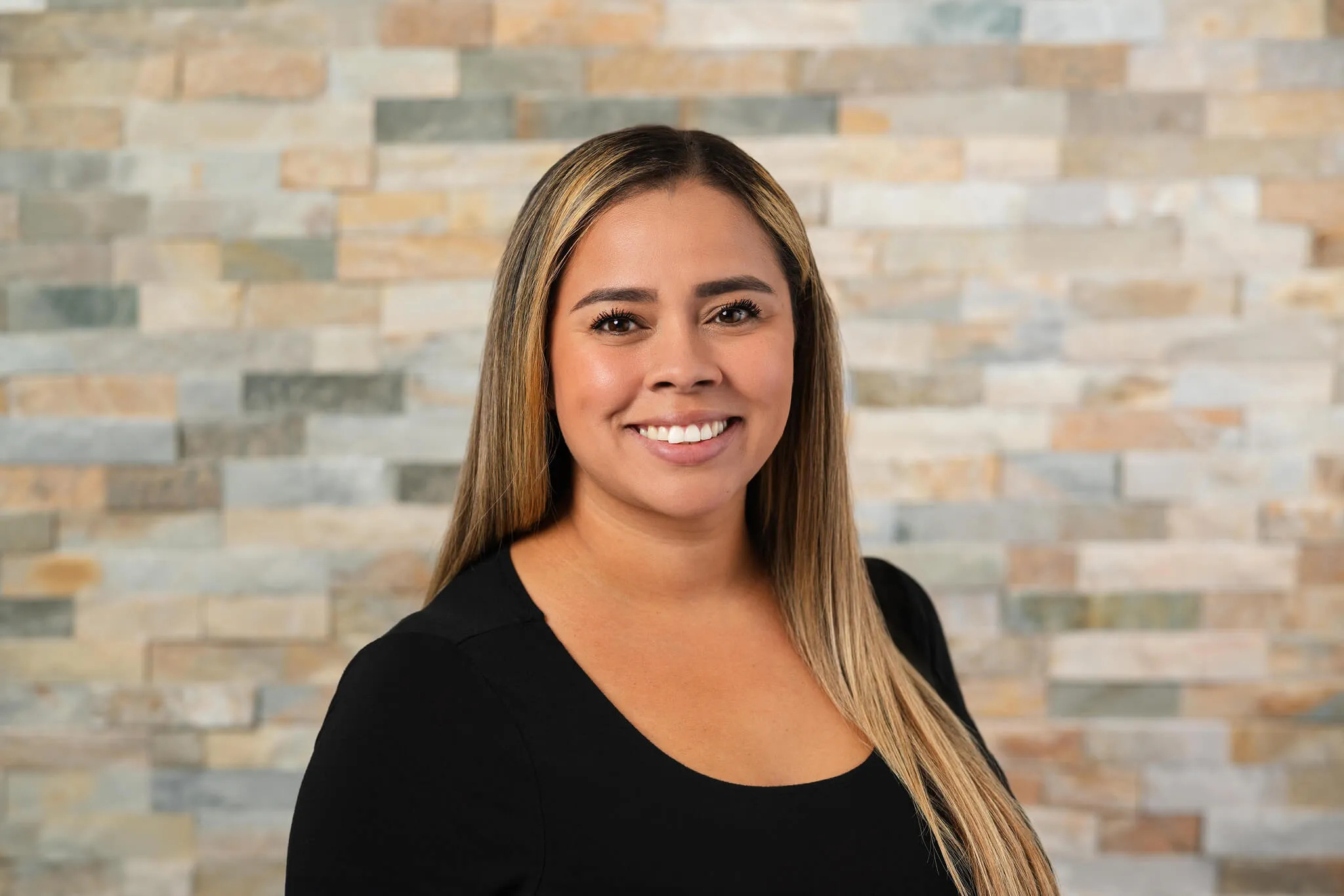
About the Guest
Nicole Herrera
Senior Case Manager at Surrogate Alternatives and a former surrogate.
With over six years of experience managing journeys from match through delivery, she brings both professional and personal insight into what makes a surrogacy journey successful and where things can go wrong.
FAQs
Rebecca Deegan
Hi everyone, welcome to today's episode of the Serg Buzz. Today we are talking about red flags when choosing a surrogacy agency. If you don't know who I am, I'm Rebecca Deegan. I am this senior Client Services Director. And today we have Nicole, our senior case manager. So welcome, Nicole. Hi. So obviously just basically, red flags to look for if you're an intended parent, if you're a surrogate, um, things that you might want to ask or talk about before you are choosing a surrogacy agency, and we're just gonna touch on a few that come to mind for us doing this every day and obviously Nicole being a case manager and what she sees kind of on her end once the journey starts to continue. So Nicole, before we dive into this exciting topic, can you just give us a brief overview of who you are and what your role is here?
Nicole Herrera
Of course. Thanks for having me, Rebecca. Of course. So my name is Nicole. I've been a case manager here at SAI for six years now. I have four kids and I've completed one surrogacy journey. Her birthday is actually coming up. Um the day before Valentine's Day, so I'm super excited for her. She'll be four. That's just what I do here, I oversee a lot of the cases from start to finish, from match all the way until even past delivery. I would say I've become really close with a lot of my cases. So I've even kept in touch with quite a few of intended parents or surrogates that have retired, but I'm gonna follow the journey from start to finish. I'm gonna help from IVF care to finding OBs to I've even attended a few deliveries. Yeah awesome.
Rebecca Deegan
Well, we're excited to have you. I think this is a great topic for you. Obviously, I am meeting with intended parents. Um up front, we have Jen meeting with the surrogates up front. Um, so obviously we will get some questions as well, but I think there's also things to think about as the journey continues, right? Like, well, what's gonna come up? What if this comes up? You know, what should I look for? And obviously as an agency, we try to mitigate these situations and issues up front. Um, but you know, a journey is a journey for, and it's called that for a reason, as a lot of us know. So um, and if you're coming into this process, you'll understand that um as well. So, um, when people are choosing a surrogacy agency, why is it so important to consider the red flags early instead of discovering them midway? Because you're seeing kind of more of the midway.
Nicole Herrera
I definitely see it midway, but I would say it's important to consider the red flags because you don't want to be blindsided in the middle of the journey or think like, oh, I didn't know I had to do that later on when if you would have had this knowledge prior to or knew what to ask your agency before signing with them, you wouldn't be surprised. Um I think there's only a little bit of surprises in life, but in surrogacy in your journey, that's probably not the best place to have a surprise.
Rebecca Deegan
Yeah, exactly. So what is one red flag, I guess, you know, just specifically that you can think of that like immediately makes you pause, like when you hear it from I guess an insur a surrogate or an intended parent?
Nicole Herrera
So like I said, I've kept in communication with a lot of my surrogates and intended parents who are then become parents. Um one particular case that I can really think of was a surrogate had delivered prematurely and unfortunately we were not able to accept her back. She has my number. She reached out to me in the beginning stages of a new journey with another agency and told me that her current agency didn't ask for her most recent medical records.
Rebecca Deegan
Huge red flag.
Nicole Herrera
And I told her, um because we don't just care about the outcome, the having a baby. We care about the entire picture, everybody, the intended parents, surrogate, the surrogate's family. Like it's more than just a business transaction per se. So when she told me that, I was like, look, I can't be a part of that. But I think about your kids. Like that's huge. That's risky, not just for the intended parents to have a premature delivery. But your life, the safety. Yeah, the safety for you is so much more than just you know the money aspect or you know, coming up on a quick dollar per se, but um, I really ha I mean, I haven't spoken to her since and I think that really deterred her from talking to me, but it was not because I'm mad she didn't sign up with us. I'm concerned for her safety.
Rebecca Deegan
Yeah. And I know we touched on this on a previous episode um with just the intake piece of it. And this is really big. And this is something that I also feel very strongly about because we want to make sure everybody is safe. We want to make sure the surrogate is safe for her family, that the baby is safe for the intended parents. Like we're coming into a situation where we want to be able to control everything and keep it as least risky as possible. But there are also processes that go into that. And the medical records, as we know, is a huge, you know, huge deal. We need to know basically everything, you know, that happened in your pregnancies and be able to match that up with your medical records. So I am with you 100% on that. I like I said, we touched on this a few times. And um yeah, at the end of the day, you have to be here for your family. So and as we know in this industry right now, um the money piece of uh surrogacy is very big. So when you're talking big numbers for a surrogate, a proven surrogate, um, to sign up and come back, um, it you know, that definitely, you know, they want to come back and they wanna make all this money to, you know, because they were a surrogate before, but not at the cost of your life or the life of the child that you're going to be carrying. Right.
Nicole Herrera
Right. It's risky and it's dangerous. I mean it comes surrogacy comes with a high price because it is a risk. There's a risk with any pregnancy, right? My own pregnancies, your own pregnancies, but there is a risk with surrogacy.
Rebecca Deegan
Yeah, exactly. Yeah, and we this isn't just for the surrogate either. I know you talked to the surrogate and it seems like a surrogate situation, but this is also for the intended parents to make sure that records are being reviewed and received. And again, we're not — I mentioned this before — we are not medical professionals, right? We are a third party. Um, but we will review the medical records on our end just to see if there is anything that comes up that maybe we see as an issue. But at the end of the day, your doctor and your IVF clinic should be reviewing those records. So this doesn't just go back to the agency piece. This also goes to the clinic. And so there shouldn't be a clinic that is accepting a surrogate without prior review of her medical records. So 100%. Definitely a red flag. I guess a big topic is communication. We talk about that. Number one foundation for surrogacy. So some people are told that they cannot communicate directly. Meaning intended parents cannot communicate directly with a surrogate at certain agencies. So from your experience doing this every day and this being obviously the communication topic that comes up every single day in our lives. Um when does that cross into a red flag?
Nicole Herrera
To me, it immediately — um when we have our matched emails go out, I mean I'm not a director, I don't send them out. I know you do, but it has your intended parents' contact information, their name, their address, their phone number, their email, and vice versa. So same for the surrogate. Has their intended parents, intended parents have the surrogate. It is so important to be able to communicate together. I love doing the group chats with my cases so that we all are on the same page with you know, with what steps are happening next. But it's also not a bad idea to have a relationship with your intended parent outside of the agency. Yep. I love when surrogates or intended parents are sharing personal things of their lives, you know, getting to know each other. I mean, thinking about it. You're growing somebody's baby for a surrogate. Like maybe you guys want to talk about her favorite ice cream or cravings. Like you want to know them. You don't just want — it's not a business transaction. Am I gonna say there are more business transactions? Of course there are I feel in this industry. Yeah. But I don't think not being able like talking — not being able to talk to an IP, like how can that be normal, like to some degree?
Rebecca Deegan
No, absolutely. If somebody signed up with me and said oh, so I don't get to talk to my surrogate until X amount of time. I'm like, no. Right. No, you're gonna get her like you said, I'm gonna you're gonna get her information from the get-go. And I just had this conversation with an IP when I met them the other day. Because I feel that it's so important for you to start the communication from ground zero, right? You are matched with her. Yeah, there's not a lot going on, but find out about her. What does she like to do? What is her family like? Maybe if you're you know if you're open to traveling or maybe you're close, like meet for love, meet for lunch, meet for coffee, like something to get to know her because she is a person. She's not just carrying your baby. Yeah, exactly. And you know, going down the line once she is pregnant then like maybe you do want to know what her favorite ice cream is or where does she go where does she enjoy going to eat? Maybe you you know give her a gift card or maybe you take her there. Something. Right. But I think it is more about — it is more than just her carrying your child. It is. And I think it's good because obviously there's gonna be a lot of updates. Like, hey, how's the baby? Did this, you know, and it's mostly based off of those um appointments, but I think just knowing her, like how are you? Like how is your mental health like how are you as a person? Like you know it's your family, your kids. Yeah, exactly. How's school for your kids? You know, like that's that's really, really important. And I think that helps really build a strong relationship.
Nicole Herrera
Foundation.
Rebecca Deegan
Yeah, because there there could be things that come up in your relationship. Maybe a text gets sent or an email gets sent and as we know it's very black or white, so it can be taken out of context. But if you know that person well, then you're like, hey, listen, I know that she's busy from eight to five when she works. So if she sends me a short text, it's probably just because that's all the time she has.
Nicole Herrera
And that's super important to start that early on because you don't want to be in your third trimester and if I was an intended parent trying to get a hold of her, maybe she's newly in her third trimester and she hasn't responded from 7:30 a.m. till five, but I know if I've had a relationship that those are her working hours, those are her office hours. Maybe she doesn't have um a lot of time on her lunch break, or maybe she didn't want to check in with you. Maybe she actually wanted to eat, you know?
Rebecca Deegan
Yeah.
Nicole Herrera
So establishing those patterns early on is so, so important. And I feel like with today's generation and the younger surrogates coming in, um maybe text is better for her. Maybe, you know it's like the way of life right now.
Rebecca Deegan
It is. I always say just shoot a text. Yeah. It takes two seconds. It is. I'm gonna be honest, every person has their phone on them every single day. All day. Everything. Yeah. So yeah, I mean there's been times where I've like been busy and I like get a text and I may look at it on my watch, but then I forget and I'm like like, oh crap, I totally forgot to message you back. I'm so sorry. Um, those things happen, but I think just understanding and and maybe just like not getting, you know, worked up over a missed text or maybe she didn't answer you for four hours. Exactly. She didn't run away with your baby. Yeah, exactly. But I do have these conversations with intended parents. I think it's important for also that group text with the agency. Um, just so everybody's on the same page. Let's just say Jennifer's a surrogate. Jennifer doesn't want to send you a text and send me a text and you know all the things. It's cool if we're just all in the same place. Hey, this is how the appointment went. Intended parents and surrogates, we're expecting that you guys have a relationship. She's probably telling you maybe you're on FaceTime at the appointment or maybe you're there in person. Yeah. Like um, so it's more just like of a you know, written down, you know, so that we're all on the same page at the same time. And especially me as a director, because I'm kind of removed after the match, you know, and obviously I just want to be able to know what's going on. Hey, how did the transfer go, those kind of things, but you're in it every single day. Correct. And it's nice for everybody to kind of be on the same page. So it's not like I said, multiple communication through 100%.
Nicole Herrera
And a lot of the times if an intended parent is on via FaceTime or maybe came into the appointment and let's just say she has a low-lying placenta, but as we know, the placenta can move throughout the journey. But I didn't know that. So maybe I have some tips for her, maybe um our wellness program that we use can help her with the low-lying placenta or tell her, you know, what to expect. I want to know. So if she calls me —
Rebecca Deegan
So if she calls me —
Nicole Herrera
Two weeks later and she's like, oh, I've had a little bleed and I'm like, oh my gosh, freaking out. But this had been talked about and discussed at the appointment that I'm not necessarily privy to.
Rebecca Deegan
Yeah. Yeah. So there's a bunch of different parties with the communication. So we just like to make sure all communication is kind of like set and streamlined. Streamlined, but definitely important. My thoughts to you as a surrogate or an intended parent if for some reason you're matching with an agency and communication is not talked about or if you can't talk to your surrogate or surrogate you cannot talk to your intended parent, then definitely ask questions. That would be like my number one thing. Why can't I? Why can't I get their contact info for communication? Um when can I start talking to them? And what's the reasoning behind that? I yeah, it doesn't make sense to me. You know, like uh I can understand maybe an intended parent says, you know, let's get through the medical screening and then we can sort of have a conversation. I think if that is laid out prior to or when you're matching, then that is understandable and we just tell the surrogate, hey, just FYI. Maybe these intended parents have been through a match before. Yeah. And they just want to make sure that before they build this relationship that you get medically cleared. That's understandable. But again, that is going to be communicated to the surrogate for her to understand and accept. So I think there are gonna be certain maybe rules or just like a gray area of certain matches. And we're willing to work with that as long as everybody is on the same page and can move forward. Transparency is so important.
Nicole Herrera
Transparency, yeah. So important.
Rebecca Deegan
Yeah. So it's definitely a red flag if you don't. So just m — and this just goes back to just asking questions, right? The important questions to ask, um, which is why we're having this podcast today. So it's super amazing. Yeah. So this is a good one for you because um I know that you've seen a few problem cases. Um in this, but when something goes wrong, how does agency experience like actually change the outcome for the surrogate or the intended parent?
Nicole Herrera
Um I think for me, like I said, I've been here for six years. So I've been through a lot. Um shortly after I was hired, we went into the pandemic. So that really put, you know, some monkey wrenches in things and it was challenging. But what I've learned from that experience is being able to help mediate the situation, you know. Um one case that really stands out is I had somebody have a family member that passed away and the IP hadn't gotten hold of her in a little while and it really put the intended parent into panic mode, which it would. And then I was able to step in. We always require an emergency contact. Like that's part of our protocol — your partner, your uh a family member, your mom, your grandma, your sister — we need to have somebody in case there are emergencies. And for this instance, I don't use it — I would say probably only two or three times in the six years I've ever been here — but they were emergency situations. For that case in particular, she had a very close family member pass away and it was pretty hard for her and she needed a minute. But instead of, you know, communicating that, she needed somebody to do that wellness check, right? Yeah. I was able to get her set up with the psychologist. I'm able to help and though she is doing a job for someone per se, you know, by carrying somebody's baby and growing their baby for them, that doesn't mean that you're just you know, have all control over them either or that they have the right to just not communicate. But I had to put that in perspective and setting her up with their psychologist was probably the best thing. Immediately after that, I mean things did get a lot better for that journey, but I think being able to step in and help because IPs not might have your emergency contact or you know, being able to relay information that was misunderstood or miscommunicated or heard differently. Especially like we said in text messages — they're black and white and you can take them however you want. But maybe that's not how the intended parent meant it or the surrogate meant it. So instead I can be that middle person. I am that middle person that keeps the relationship mended and together and sees it all the way through.
Rebecca Deegan
Yeah. And I think that comes with experience from doing this. Um, so you know, when you're looking for a surrogacy agency, it's like what is their experience? Like how long have they been doing this? Um, you know, Nicole's been doing this for over six years. I've been here over 10 years, yeah, something like that. Long time. Um but SAI has been in business for 28 years. So when you look at the longevity of a company and how many cases they do — one could imagine that if you've been in business for 28 years and you do 80 to 100 cases a year, that there's gonna be a lot that you have dealt with. And when it comes to certain situations like this, let's just say as an IP and you can't get a hold of your surrogate and maybe there was a family emergency and you know we that they can't get a hold of her, like how to deal with that or how to deal with something maybe even worse than that. Um, you know, because I mean every journey is different. There we don't have any of the same. So being able to step in as an experienced surrogacy either case manager, director, um, support person, like that's really important because then they've said, okay, maybe I haven't been through this exact situation with another case, but let's figure out how to mitigate this situation and how do we do that? Okay, based off of our experience, we've had something similar happen. This is what I would suggest. And I think for you as a case manager, that's really important because when these things come up, then you could offer that to the intended parents. Okay, hold up, let me just see if I can get a hold of her emergency contact. And let's just see what's going on before we jump to these conclusions. Right. And and you've kind of now morphed into like case manager and support and like, you know, um psychologist, you know, like how do I help this? But I think with you having six years experience, you've been a surrogate, um, you know, that that comes into play. Like how would I deal with the situation or how if I was an intended parent, how would I want this situation dealt with?
Nicole Herrera
And I think it's really important, um, specifically for our agency. Almost everyone that is employed here at SAI has either been a surrogate or intended parent. Um, we do have, you know, one or two that haven't been necessarily a surrogate or intended parent, but I think that's super important. When I first started, I had not been a surrogate at that point. Um, but we also the way we kind of start things is typically, well at least back then it used to start as support and then you move up to case management. Because it's my responsibility to oversee the case from start to finish. But support is super helpful in getting to know the surrogate or getting to know the intended parent. So for me, that was the biggest stepping stone — really putting that experience under my belt by starting as a support coordinator.
Rebecca Deegan
Yeah, because you get the like softer side where it's like how can I help? And do you need anything? Oh how's the appointment? And really getting to know the surrogate and the intended parent. Um and yeah, and that obviously is a lot of your job, even though we have support coordinators, you're still doing a lot of that support um with being a case manager. Yeah. So as you have gone through your own journey and this, you know, and being, you know, an employee here at SAI, like do you think that your experience has helped you kind of with some of these situations that maybe you never thought were gonna happen?
Nicole Herrera
A hundred percent. I mean every uh like you said, every journey is just that. It's a journey, so there's something new. Some go perfect, some go great, and I feel like I don't even know why I'm here, you know, I don't feel needed. But there are those that need that extra help, that extra support for whatever the reason or a season really in their life. You know, we don't go into this thinking there's going to be medical complications or, you know, maybe the her and her husband got laid off. Or, you know, you don't go into that thinking —
Rebecca Deegan
These things are gonna happen.
Nicole Herrera
These things are gonna happen. It's gonna be rainbows and butterflies all the time. And I'm gonna be like, Oprah — you get a baby, you get a baby, you know — but I mean, things happen, life happens. And so I definitely think that my experience as a case manager has really helped shape who I am as a case manager to help, you know, fix or mediate the situations to the best of my ability.
Rebecca Deegan
That's all you could do, right? I mean you just gotta use your experience to what you know and we move forward. And we're still learning every day. Yeah. There's still the things that come up. You're like, man, I haven't seen this one yet. But okay, cool. Like how do we get through this? 100%. Um, so one of the big questions as a director that I get um when intended parents are signing up, and surrogates actually might ask about this too, especially if their experience is about the money. Right. So what should people be cautious of when it comes to where to put their money and who to use and why a trust is so important?
Nicole Herrera
So a trust account is incredibly important. I mean, if you're on the surrogacy side of TikTok or any rabbit hole that can take you down, there are um agencies that hold the escrow account and in this field we've been in it for so long but there are agencies that don't make it to the five year mark — they go out of business and then what? Like so where does your money go? Yeah.
Rebecca Deegan
And how is it protected?
Nicole Herrera
How how how are you gonna pay your surrogate or her medical bills or health insurance, whatever it is that is pretty much managed through a trust? What happens? So it is incredibly important to do your due diligence as an intended parent and even as a surrogate to know where the funds are being held. When they're going to be deposited. I think that's super huge, especially if you're working maybe with an international intended parent, is to know okay, this is the deposit structure. Yeah. When you get into the contract side of surrogacy, these contracts are like 52 pages long. A lot you probably don't understand unless you are an attorney or have some sort of legal background. Right. And even though you have a consult with an attorney, that's about two hours — I mean I've seen people miss stuff, stuff that they thought would be in there, and I'm like, oh my gosh, you know, like how did this get missed? Or maybe I don't know, maybe the payment structure's off. Like you don't want to have that. As a surrogate, you are doing you're doing a job that is being paid.
Rebecca Deegan
Paying given. Yeah, absolutely.
Nicole Herrera
And as an intended parent maybe it took you five years to save up for surrogacy. You want to know that your money is protected and that your money is in an account that's insured. So God forbid something happened. There's insurance to cover you and take care of you.
Rebecca Deegan
Yeah, and I think a lot of times this is more intended parent um pushed, right? Because intended parents are the ones who are putting money into the account and where's my money going and how's my money getting paid out? And um, but on the surrogate side, it's equally important. Um, you're getting paid to do a job. You're gonna be pregnant. Right. And I mean not that it's all about the money, but at the end of the day, like you mentioned, like you're signing a contract that is stating like, here's how the money is getting paid out and whatnot. And you're again, you're having a baby for somebody else and getting paid for that. So is your money protected? The money that's supposed to be in there when I'm 20 weeks pregnant with a baby and like, am I gonna get my payments? Um you know, this is a whole nother topic that we could probably get into, um, which I'm sure we will, but you know, that's also like independent versus agency. Like, how am I protected? The protection piece is so big. And I think with the money, it's even heightened, you know, even more so. So I'm with you on the agency or even the attorney held trusts anymore. Right. I mean we've we've heard, you know, of a lot of different stories. Horror stories. Really? Yeah.
Nicole Herrera
That's what it boils down to, horror stories.
Rebecca Deegan
Horror stories. So like making sure that whoever is being used as your trust account holder it's a good thing. It's credible. Third party isn't associated with the agency, with the attorney, with anybody. So that when that contract is getting, you know, put together and the payments are getting put together that they're not on one side or the other, right? Right. And that they have bonds and they have insurance and that God forbid if something happened that your money is your money and you're gonna get that back and that you're protected. So I mean these things are coming up more and more.
Nicole Herrera
They are. Um, like you said, you just can go down, you know, the black hole. But I think just making sure that everybody is protected. Um and then also with the agency side, you're a case manager. You're getting the surrogate's reimbursements, right? So you have to make sure on your end that the funds are there, but also what she's requesting is also getting paid out. Right. So it's like protection of uh GC and intended parent.
Rebecca Deegan
And though the contracts are written very thoroughly, there are sometimes gray areas. Yeah. And that's a whole nother topic we can probably go down for another day. But there are gray areas. So I'm going to review it and make sure that you're hitting all of the requirements to request that um that payment for whatever it may be. The one that comes to mind which a lot of girls do is they screenshot their medical bills that are on their portal. But I need the full PDF. Like I need the full bill because I'm not paying you 15 times for that 1 OB appointment.
Nicole Herrera
Yeah, exactly. And a lot of times the screenshot doesn't say the date of service or what the service was. So um and the intended parents want to make sure that they're not paying fifteen times for that OB appointment and the trust account isn't gonna pay out because they're gonna say we already paid like let's just say every month it's forty dollars. Well we wanna make sure that you're getting paid for the forty dollars. Right. And they're not like hey, by the way, we already paid her for this. Like no, this is another co-pay. Um, you know, with dates and whatever. So obviously having an agency that can make sure that oversees it, right. Like making sure that if the money that you as an intended parent put in there is getting paid out to the surrogate the way it should be, not overpaid, and then the surrogate makes sure she's getting reimbursed for all of her medical bills and all the money that is due to her based off of her contract.
Rebecca Deegan
And that kind of goes into uh the topic we're on, red flags. So you want to know that your agency as an intended parent isn't just renting out these uteruses for you like a glorified rental agency for body parts. That is not what we're here for. You want to make sure your agency is involved. Like we just said, the co-pays weren't being paid 15 times for that one copay and she never you know paid it or whatever the case may be — you want to make sure there is somebody overseeing you. You don't want them to just show you this shiny pretty surrogate whose uterus works and then we're done. Yeah. That is a huge red flag. And I've heard that before. We have intended parents that are on second, third, fourth journeys from other agencies. And they're like, wow, you have given me more knowledge than I've had in any of my other journeys. And to me, that breaks my heart a little bit. Though I'm happy that I can be that support for them, it breaks my heart to know that they went through a journey without education.
Nicole Herrera
With nothing, blind, blindfolded. Like that really hurts.
Rebecca Deegan
And that's a lot of our job. I mean, just kind of getting away from the money piece of it, but just the education piece, I think, on the trust accounts or on um all these red flag issues that we're talking about, I feel like that's a lot of our job — we're kind of surrogate educators, right? Like regardless whether you went with our agency or not, if you're meeting with me, I'm gonna give you all the information that I feel if I were an intended parent that I would want to know. Right? It should be very black and white. You know? Obviously with some stuff in the trust it is kind of gray. Like, well, what if she has a C section or what if she, you know, has to have this and have that? And, you know, is that gonna be enough money covered? Like those types of things could be a little gray, but I would say outside of maybe that little bit of grayness in the, you know, contract, everything else is pretty much laid out. And um yeah, we just need to make sure that we are educating the intended parents and the surrogate to make sure that they understand the process moving into the journey because also that's when issues arise, right? Like, well, I didn't know that was gonna happen. I didn't know that I was expected to pay this money or you know, whatever they feel that they weren't excited about or that they weren't educated about. I mean and that makes me sad too, just as an agency who we really try to make sure that everybody can go into this journey knowing exactly what to expect. Yeah. So after hearing all these red flags, what do trustworthy agencies consistently do to mitigate a red flag?
Nicole Herrera
I think that would have to be transparency. Like transparency and communication. If your agency is showing you this shiny profile with this great candidate for surrogacy and then let's just say you match and they're done. They they haven't spoken to you, you haven't heard from them. That is a huge red flag, especially in the beginning. Um there's a lot of information that goes out. Um in the matched email we send we have our own PDF that is what you should expect from match to embryo transfer. And of course, a lot of these intended parents come that have gone through so much trauma and so much hurt and so much loss that they want the end result. They want that baby yesterday. And of course.
Rebecca Deegan
I wish I'd actually starting this journey because you like, you know, you're finally finding somebody, you're excited.
Nicole Herrera
We're like, yes, we're doing this. Yeah. So you want that, but there are a lot of moving parts. There's a lot of different people that are involved in your journey from your IVF clinic, your doctor, um the IVF clinic coordinator, a case manager, maybe the director is still involved, whatever for whatever reason, and the surrogate — there's a lot of moving pieces. And there's only so much that an agency can do as well. Like I said, if I can be over and everybody get a car, but instead get a baby, I would do it in a heartbeat. Yeah. And it it's hard but um there has to be that open communication. Like maybe the clinic is reaching out to me to set up the girls' medical screening but I don't know her schedule. I can't just say yes, Thursday at three o'clock works great. I don't know, maybe her five-year-old gets out of school at three o'clock on Thursdays. I don't know that. So it has to be open communication. And when I'm doing that I'm including intended parents. Like, hey, your I mean your IVF clinic told me Thursday at three o'clock, but I just talked to your surrogate and unfortunately three o'clock is the time she picks up her littles from school. Like I'm I'm working on it. Like just being open and being honest from the beginning and instead of trying to hide things and say like, oh I don't know, I haven't heard from your clinic. That transparency, the honesty, and the communication. Do we work 24/7? No. Well not all of us.
Rebecca Deegan
Yeah, I would say unless unless it's an emergency, yeah. I mean you can get a response, you know, within the right.
Nicole Herrera
The same work ethic. So we do respond. I do.
Rebecca Deegan
Yeah. Even at the time.
Nicole Herrera
You know, we don't like to admit that, but we do. And so I just think any agency that you're looking into — be transparent. There's no such thing in my belief, there's no such thing as a dumb question when you're first starting surrogacy, um, whether it be for IP or GC. Ask the question, even if you feel like it's not important, go with your gut, ask the questions, ask more than just about this pretty uterus on paper. Yeah. Do you have, you know, her medical records? Has anybody reviewed them? We're not medical professionals, but ask those questions so we can send them to your clinic or whatever the case may be. Ask the questions, get it figured out instead of just thinking about the end result. Yeah, which we all want, but there's a process.
Rebecca Deegan
There's a process. Yeah, for sure. Yeah, we've talked about this because, you know, obviously as the intended parent, you're looking for a specific surrogate, right? But that specific surrogate comes with an agency if you're on the agency side, of course, um and not the independent side. So yeah, you might be open and you might be talking to multiple different agencies to find that one specific GC. But like I always say that GC is with that agency, you're still working with that agency. So like it has to add up. Does the agency also give me what I need, not just the surrogate candidate? Your surrogate might be great but what does the background look like in regards to your journey and the support? And, you know, you're going to be on this journey for what? Fourteen months plus sometimes. Yeah. I mean it is a pretty long time for you to not like who you're working with or them not to be able to give you the support or the information or the education that is needed. So it is a two-part choice when choosing an agency. Do I vibe with the agency? Do they give me what I want, what I need? Are they reputable, you know, are they ethical? Do they have standards, you know? Um and then also can they provide me a surrogate? You know? Or am I gonna be on a wait list for twelve months? I mean there's so many factors that come into it. And I think it's really just finding who works for you as an intended parent, as a surrogate. Um there are lots of agencies out there, you know, we may not be for everybody and other places might not be for them, and maybe we are. But I think asking these specific questions when it comes to just the process and trying to, you know, just trying to understand the process and maybe what could come about and how would you deal with that is really, really important. So but choosing the right agency, you know, basically comes down to experience, like you said, transparency, making sure there's actually like a human person to help support you. Yeah. Um it's not just all email or you know text messages. You can actually get somebody on the phone that can, you know, help support you and guide you, you know, through this amazing journey.
Nicole Herrera
Great. Especially when things don't go as planned, because that is really when the support comes into play. Yeah, that's important.
Rebecca Deegan
So but um Nicole — gonna wrap it up here, but thank you so much for joining us and giving us your um all the info as a case manager. Um we know that there's a lot that goes into the process, so we appreciate your info that you provided us today. So if you would like to talk with us, become a surrogate, intended parent, ask all these questions that you want, please feel free to reach out. You can go to our website, surrogatealternatives.com. You could click on the Become a Surrogate Mothers tab or Intended Parents tab, whichever side you are on, and we'd be happy to chat with you and go over um any questions that you might have for us. So until next time, we will see you soon. Have a wonderful day. Bye.