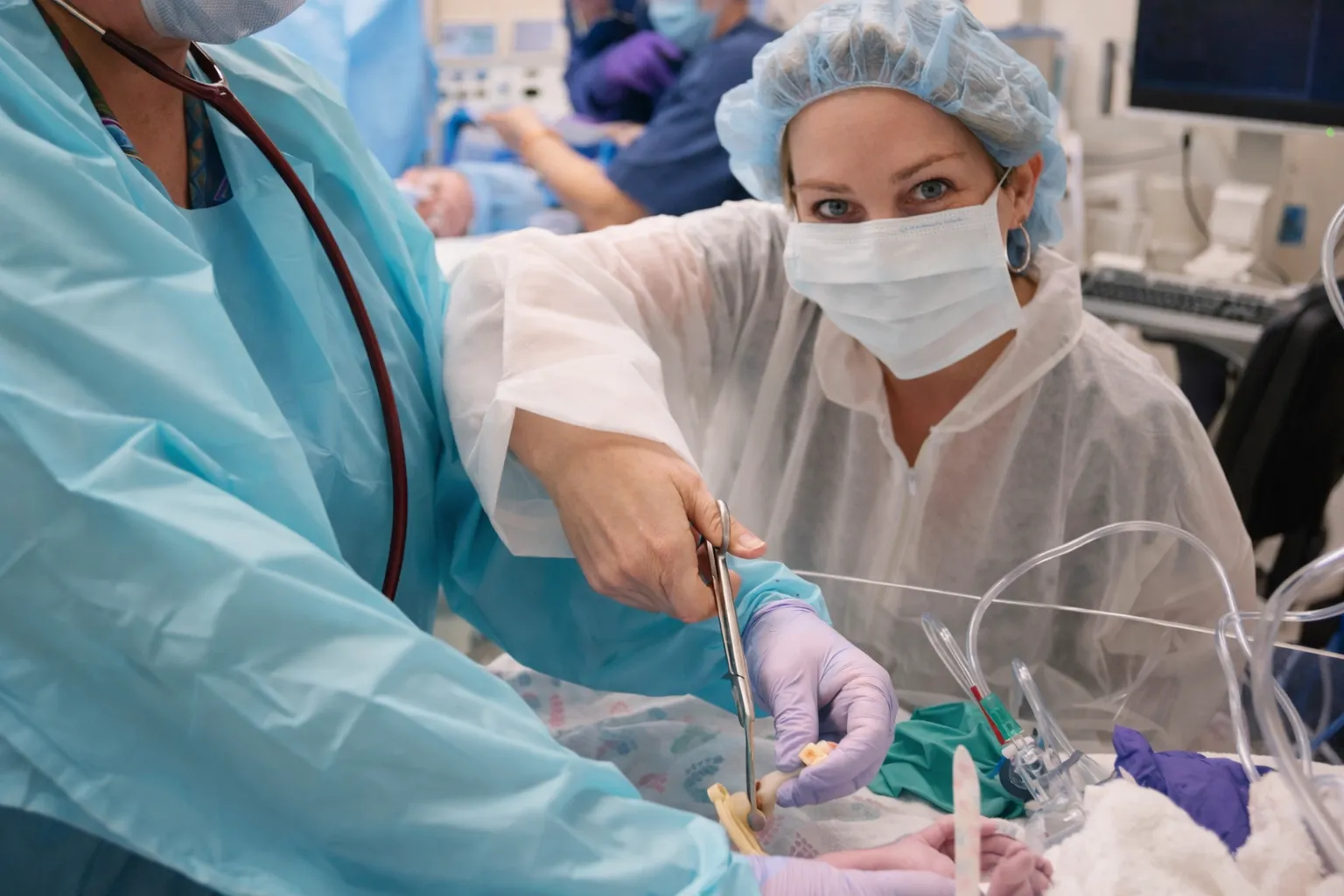
Breast Milk for Intended Parents: Donor Milk, Surrogacy & Freeze-Dried Breast Milk Explained
In this episode of The Surrogate Buzz, host Rebecca Deegan sits down with Trish Clifford, Co-Founder of Leche, to talk through one of the questions intended parents often overlook until late in the journey: how their baby will be fed. Feeding options have expanded well beyond formula or fresh breast milk, and the differences aren't always obvious. If you're an intended parent or gestational carrier, this episode will help you understand what's possible so you can build a feeding plan with confidence.
.svg)
Episode Summary
Many intended parents assume their only feeding options after birth are formula or fresh breast milk from their surrogate. In reality, modern breast milk preservation has created new possibilities for families navigating surrogacy.
In this episode of The Surrogate Buzz, host Rebecca Deegan sits down with Trish Clifford, Co-Founder of Leche, to discuss donor breast milk, freeze-dried breast milk, surrogate pumping, and how intended parents can create a feeding plan that works for their family's unique situation.
The conversation explores breast milk storage, transportation, safety testing, donor screening, international travel considerations, and how intended parents and gestational carriers have more feeding options available than ever before.
What You'll Learn
- How freeze-dried breast milk works
- The difference between donor breast milk and formula
- How intended parents can access breast milk after surrogacy
- Options for gestational carriers who want to pump after delivery
- How donor breast milk is screened and tested
- Breast milk storage and transportation considerations
- What international intended parents should know about feeding plans
- How breast milk can be preserved for long-term use
Intended Parents Have More Feeding Options Than Ever
Modern preservation methods, donor milk programs, and surrogate pumping arrangements provide families with multiple paths beyond traditional feeding methods.
Planning Before Delivery Reduces Stress
Having a feeding plan in place before birth can help intended parents feel more prepared and confident when their baby arrives.
Donor Breast Milk Requires Extensive Safety Screening
Proper donor screening, blood testing, milk testing, and quality control procedures help ensure breast milk safety.
Freeze-Dried Breast Milk Simplifies Storage & Travel
Preserving breast milk in powder form may help solve many of the transportation and storage challenges families face.
Flexibility Matters
Every family's feeding journey is different, and having multiple options allows intended parents to choose what works best for their circumstances.
Who is this episode for
- Intended parents preparing for delivery
- International intended parents returning home after birth
- Gestational carriers considering pumping after delivery
- Families exploring donor breast milk options
- Parents comparing breast milk and formula feeding options
- Anyone interested in modern infant feeding solutions
EMOTIONAL REASSURANCE
It's completely normal to feel overwhelmed when thinking about feeding options after your baby arrives.
Many intended parents spend months preparing for the legal, medical, and matching aspects of surrogacy, only to realize they still have questions about newborn feeding.
The good news is that there is no single "right" approach.
Whether your plan involves surrogate-provided breast milk, donor breast milk, formula, or a combination of feeding methods, today's families have more choices and support than ever before.
The goal isn't perfection. It's finding the feeding plan that works best for your family and your baby's needs.
- Surrogate pumping after delivery
- Donor breast milk programs
- Freeze-dried breast milk preservation
- Breast milk transportation logistics
- Breast milk safety testing
- Donor screening requirements
- International travel considerations
- Infant feeding planning
- Milk storage best practices
- Family feeding flexibility
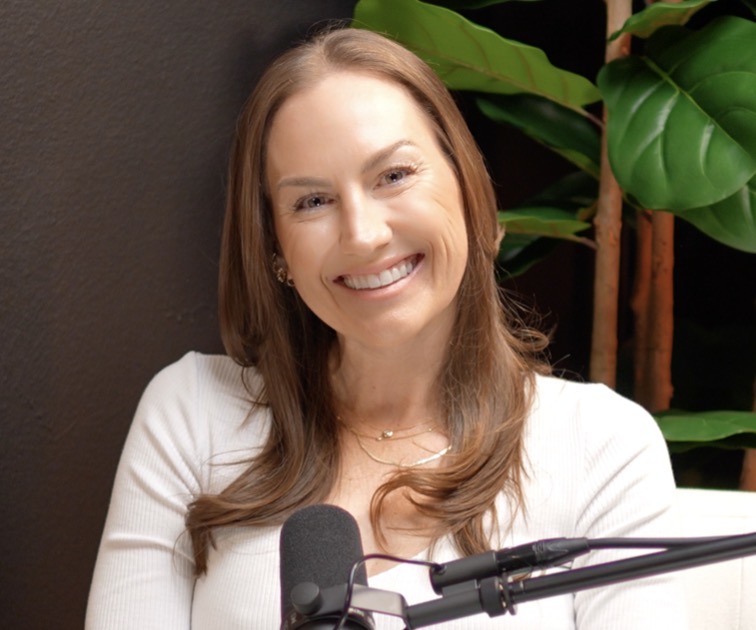
About the Guest
Trish Clifford
Trish Clifford is the co-founder of Leche, a company focused on making breast milk more accessible through freeze-drying technology, donor screening, and breast milk preservation solutions.
Inspired by her own breastfeeding journey, Trish helped develop a system that allows families to safely preserve, store, transport, and access breast milk while supporting donor mothers through compensation and flexible donation options.
Her work focuses on creating innovative solutions that expand feeding options for parents, intended parents, and gestational carriers.
Learn More: https://itsmyleche.com
FAQs
Rebecca Deegan
Hi everybody, welcome to today's episode of the Surrogate Buzz. Today is a fun topic. We're going to be talking about breast milk for GCs and intended parents. So if you are currently pregnant or looking into the process and breast milk is one of your topics, this is definitely something you should listen to. So before we get started, don't forget to like, subscribe, and comment so that everybody can get the information that they need for this journey. So Trish, without further ado, welcome.
Trish Clifford
Thank you.
Rebecca Deegan
So Trish is the co-founder of Leche, which is a breast milk alternative company, I guess you would say. And so I think this is super, super cool. I mean, I tell people about this all the time. But before I obviously get into your own introduction, why don't you introduce yourself and tell us how Leche became a thing.
Trish Clifford
Yeah. So hi, I'm Trish Clifford. I'm the co-founder of Leche. This not only was a passion and a mission-driven business, but it came from our own experience. So my co-founder and I, we met at a book club and we both had our babies around the same time and we were going through just the entire infant feeding journey. So think waking up in the middle of the night, pumping, breastfeeding, and through that entire experience we realized that this system of storing breast milk is still very antiquated. And with a little bit more of my background in food, nutrition science, and manufacturing, I knew that we could take what we know as liquid gold and turn it into powder. And so as we were going through this entire process and looking at, you know, breast milk as not only liquid gold, but something important that we were having an excess amount of — how do we preserve it? And then how do we also share it? And this is kind of the second component of why we started this business too. Prior to having our technology of turning liquid into powder, it was also overflowing in our freezers. And so we were reaching out to people in our community and saying, okay, you know, we're not ready to put this down the drain. It's so important and a lot of babies need it. And also mothers — how do we share it? And so we were going on Facebook, we were going on Craigslist and all these different areas to say, hey, who needs breast milk?
Rebecca Deegan
Yeah.
Trish Clifford
How do we share it? And people are coming to our house and, you know, messaging, hey, I would love it. My baby's allergic to formula, or I don't make enough. And they're coming to our house and they're bringing these dry ice bags. And this was kind of a moment too where it clicked — we need to make this system better as well, and we can have the own preservation. So how we kind of started the company was allowing moms who had excess breast milk to freeze-dry their own breast milk. But then also, how do we fix this entire system of making sure that people who need access to breast milk have it in a safe and convenient way? And the safety was a really, really important part.
Rebecca Deegan
Yeah, of course.
Trish Clifford
Because even through our experience having the moment where people are coming to our house and filling up, you know, their ice coolers or bags with breast milk — we know we're safe.
Rebecca Deegan
Well, that's what I was gonna say. Yeah, you do, but what about everybody else that's selling it?
Trish Clifford
Exactly. And the cool moment for this was the emotional connection that you look at when you see a mom — you both might not know each other, but you have this title, mom, you're going through this infant feeding journey. And you trust them in a way, and that's a beautiful thing. But with that said too, you might have the best intentions to be able to share and, you know, there's certain components of this that — oh yeah, I'm healthy, but you might be taking a medication, or you might not know other components that the baby specifically that you are sharing that with might not be okay with. And so that was kind of this moment of, we can fix the system with the technology of actually turning it to powder. And then we can finally take this idea of sharing breast milk with your village, with your people, and make it convenient and safe. And so that was kind of the second revolution of our entire business — using that technology and then allowing people who need access to it to be able to do it, make it convenient and powder, but also really make it safe. And so that's kind of where we are today. We have the entire circle connected where Leche turns breast milk into powder. You can get your own breast milk freeze-dried if you want to have your own personalized formula, but you also can purchase breast milk — and a key component to this is it's safe, it's triple-checked, and we also compensate our donors. And this is a big thing that we'll, I'm sure, chat about with this entire journey of surrogacy and intended parents and gestational carriers. Because one of the mission-forward things we believe in as well is, if you have gone through the idea of pumping breast milk, making this liquid gold — it's a lot of work. Not just time, energy, it's also time consuming, right? And it brings a lot of emotion to that entire process from start to finish. So for us, and going through it as moms and parents, we were just like, you should feel compensated and appreciated if that's what you want.
Rebecca Deegan
Yeah.
Trish Clifford
And that's another thing that's really important to our business — we allow mothers to make that decision. So if you are pumping liquid gold, you have excess, you want to give it to whomever, phenomenal. We have a whole pay-it-forward campaign. You can just give it out of the goodness of your heart. If you want to be compensated for cash, 100% support that. We also have a whole marketplace that allows you to exchange it for products, for services — so cool — for every other thing. So it's allowing this, again, giving more options to our donors who deserve it, and also to the parents who need access to it.
Rebecca Deegan
Yeah. I think back on my own personal journey, you know, with pumping and whatnot, and I think probably the biggest part is storage — how do I, where am I storing all this milk? You know, it just kind of piles up and you want to make sure it's stored properly, and how long is it stored for and things like that. So being able to turn it into a powder that will obviously have a longer shelf life, and you don't have to worry about having a huge extra freezer in your house — what if you live in a condo or something, maybe you don't have access to that. So I think the whole concept around this is just phenomenal, and it's so cool that you came up with it, and it's crazy that it wasn't actually structured prior, because I feel like this has just been something for, I mean, hundreds of years, right?
Trish Clifford
Well, it's hard. It is hard. And I'll be fully open about just the complexities of this business — from the logistics, and like you said, storage and shipping overnight and testing. No wonder a lot of people have said, hey, I'm gonna stay back from this, because it's a lot. But this goes back to just our passionate mission. Like, okay, leave it to moms — we're gonna figure out how to solve this.
Rebecca Deegan
Absolutely.
Trish Clifford
And it's gonna take a lot of work, but we're gonna do it because people deserve it, right?
Rebecca Deegan
It would be worth it. Yeah. I mean, we've had situations in a match where the IP was here for delivery, IP leaves, GC is still pumping, GC is shipping, and then something happens with overnight shipping and they lose, you know, hundreds of ounces of milk. And as the pumper, you're like, oh my gosh, I want to cry. And as the intended parent who's waiting for this for their child and paying for these services, that is devastating. You know, so on all sides, it is very devastating, I think, for the surrogacy process for us specifically. I think this is really important because it gives intended parents more options for breast milk where before they may have not had that — where they're traveling, they're not here, you know, the whole transportation shipping thing just seems kind of really difficult, and they don't want to put their surrogate out to get all of that packaged and — there's a lot that goes into it. So I think this just gives them more options to have a healthy option for breast milk where you're not having to just straight go to formula if that's not something that you want to do.
Trish Clifford
Yeah, yeah, 100%. And one of the key components that we knew when we were designing the actual product was, how do we make this flexible too? So the idea of it not being an all-in-one. You kind of mentioned quickly about storage, and a lot of times you're storing breast milk in four to five ounce, six ounce bags. And once you either thaw that or heat it up, you have to consume it. Otherwise it goes down the drain.
Rebecca Deegan
Yeah. Right.
Trish Clifford
And so it was like, okay, well, how do we truly make every ounce count and how do we give flexibility? So a lot of our parents are combo feeders — they're looking at adding breast milk into whatever this journey might look like. So our sachets are two-ounce reconstitution. So you can essentially, for the early stages, make sure that you're doing the one, two ounces and you're not wasting excess breast milk. And then when they do graduate into having more ounces, you could do two ounces of Leche and then maybe two ounces of formula, or adding different — it gives you that flexibility so you're not stressing about so many other components, because the infant feeding journey is extremely exhausting mentally. And so just allowing a little bit more, to say, hey, this is what's gonna work best for us and our family, how do we add this in? And that was the whole purpose of how we kind of redesigned the product itself with the donor powder breast milk — giving flexibility.
Rebecca Deegan
Yeah, because I feel like at some point, you know, in a normal breastfeeding journey, you start to wean off, or maybe there's issues where you're not producing. So then you're having to introduce formula, where in this case you could slowly introduce it so it's not such a shock to the baby, where it's like, oh my gosh, now I'm getting formula and all these different issues with baby. But I think that's really cool because then you could just slowly transition if that's something that you have to do. Right. Yeah. So I would say a big thing that a lot of people may think of when they hear about this is, one — is my breast milk or the surrogate's breast milk any different than if I were to get donated breast milk? Like, is there any difference in nutrients or nutritional value versus my own breast milk versus somebody else's?
Trish Clifford
Yeah, it's a great question. And there's two parts to it. So yes, it is different. Every breast milk is different. And that's actually a really cool thing to see as we take in a lot of donor milk and stuff, testing out nutritionals, composition, all these different things. It varies not only to each single person, but throughout the day it varies. And so it's a really cool thing — and I say that with excitement — everything is different, but in reality, when you look at the core components of what you're really trying to focus on with breast milk, it is all the same, or it's very, very close to the same. Now, you know, there's antibodies during certain sicknesses that do get passed on through a baby during certain times, but the core components and what we truly focus on with our product is microbiome health and brain development. And those are the HMOs — and we can kind of go into a lot of the food science on here, but essentially these HMOs, human milk oligosaccharides, are only found in breast milk and they are specifically focused on microbiome health. And if you kind of think about the goal of the first six months especially, it's to prepare the baby's gut for food, to be able to get it ready. So those components are specifically important to gut development. And there's a lot of other good bacteria, you name it, but those ones are specifically involved with breast milk. And then the other component that's really interesting is, if you think about humans as a species, right — a mammalian species — our most precious asset to be able to build is our brain. And a lot of other things get as big and fat as quick as possible, like, you know, a cow, because that's their best survival mechanism. Ours is our brain. So the fat cells in breast milk are specifically designed for brain development. And those, even through our safety process testing, fat cells are remained there. So we focus on really securing those HMOs and the fat cells, and then standardizing the product to ensure that you understand the caloric intake and all the other parts that are important. So yes, it's different. But still, what you're getting is why this product does do a huge amount and has a huge amount of success, not just for full-term babies, but also NICU babies.
Rebecca Deegan
Yeah.
Trish Clifford
Right? Which is really important.
Rebecca Deegan
Really, really important.
Trish Clifford
And actually, that was our standard coming through this entire process — we are going to implement the safety mechanisms and the processing techniques that have been valid and, you know, stamped on in the hospital space for the past 25, 30 years, because it's shown so much success for our NICU babies. We can implement that same processing technique into this as well. So that's kind of been our standard — how we do things, how we test, how we look at everything is based on essentially what's also okay for our NICU babies. And then they still get, you know, all the benefits that we chatted about. But there's also a beauty in this idea of multiple breast milks coming together.
Rebecca Deegan
Yeah.
Trish Clifford
Because sometimes there are things that one individual might lack, and you get to kind of make up for that in other ways, right? And when we're talking about this idea of sharing breast milk or bringing breast milk together and pooling it in different ways, it's kind of almost like this village approach, right? And we talk about this in regards of, you know, a hundred years ago, if you birthed a child and for some reason there was a complication or you could not produce any breast milk, what did you do? You passed the baby to someone else — a friend. And so this is — and I'm sure we'll talk a little bit about just the beauty of the surrogate and this idea of breast milk sharing — this is what we had a hundred, a hundred and fifty years ago. We embraced it and it's part of who we are as a species. So we're just kind of bringing all that into a modern-day world where we don't maybe live next to our best friend, our sister, our cousins, where we're just passing, you know — there's a lot of people, there's someone who's had a baby, like, hey, can you breastfeed my baby for me? And so how do we make this feel accessible, cool, and almost bring back that moment of, oh yeah, we're bringing back a generational practice. And it's just a little bit more modernized.
Rebecca Deegan
What I think too, just as we've evolved — asking somebody for such a task, to say, hey, I know you breastfeed your baby, would you breastfeed my baby? You know, it seems like, oh, I could never ask them that, or would they even want to do that? But I think you're right, this is something that has gone on for so many years. It's just, as we've evolved, it's been something that people kind of keep private, or they don't talk about the struggles and, you know, what they're going through. As just moms in general, I feel like we're so like, no, we got this, we could do this. Oh, you know what, I'm not gonna talk about my struggles, and no, I can't produce milk and whatnot. But maybe that's your journey, that's what you want and that's what's best for your baby.
Trish Clifford
So 100%. We were never supposed to do this on our own. And there's probably another conversation too about just mental health and what we put on mothers — okay, be pregnant, birth the baby, now you gotta feed every two hours, you gotta do it, and it's like, oh god, I'm just trying to recover, and also there's a live human I have to take care of now. There's so much that we essentially used to have as this village component. And I think this is part of the bigger idea of, hey, from surrogacy to milk sharing. And I can just tell from my own experience — and we could talk to you about both, personal — people think it might be, oh yeah, I could never ask that. Nothing brings me more joy than being able to either share my breast milk with people that are, you know, in my village.
Rebecca Deegan
Yeah.
Trish Clifford
Or I had a moment with my first that my friend's baby was having jaundice and she couldn't get to the hospital quick enough, and, you know, things can deteriorate pretty quickly. And she goes, can you? And I said, of course. And I just started feeding the baby. And, you know, a lot of times people go, oh, how nice of you. And I'm like, the love I felt and the excitement and just the fulfillment I got from that — it's huge. And I'm sure this is that same idea where the surrogate journey, right, of like people look at it very logistically of, oh, how does this work? And then you also don't remember there's also so much fulfillment you can get from that. Like a surrogate — everybody, it's like, I'm not a hero, I'm just doing this because it also brings me joy. Like there's nothing in my life that will ever, other than, you know, obviously having my own children, but just being able to know that I helped that family — that's huge.
Rebecca Deegan
Yeah. Yeah. But I think you touched on something important too, which is that as moms, and especially in a surrogacy world where you do have that kind of detachment, or, you know, maybe it is very overwhelming — if you were able to have powder breast milk, not only will that give you as the mom a break because now you're not having to feed every two hours and this and that, like your partner can also help. Okay, we have this other breast milk option, so maybe he gets every other feeding or she gets every other feeding. I mean, I think just coming together as a whole and as a couple, or whatever your journey looks like, is important, because it is very overwhelming. I always kind of say, you know, everybody's so excited for you when you have your baby, and it's so joyous, but nobody really ever prepares you for just how hard it is. You know, it's exciting, and I can't wait to bring my child into this world, but it is also very overwhelming and there's a lot of emotions that go into that. And then you add on feeding and just all of the complexities that it takes to be a parent, just in general — I think even just trying to minimize and make things more simple is huge.
Trish Clifford
Huge. Yeah. And then we have a cool study going on too about just like, if you take a little bit of pressure and give the parents a little bit more options, you actually can achieve more of the goals that you set out to achieve, right? Whether that is exclusively breastfeeding, or getting to a point where you're combo feeding, or you can extend that journey, whatever that might look like. Like, more options just make people feel a little less stressed. And so whatever journey you decide to have, you should be able to have options in that. And I think we're finally getting into a time where we are able to bring back that village component and say, okay, I'm still recovering from birth, I can't — my nipples are bleeding, like, could somebody please take this baby, right? And you're like, I don't have that, but I have a set of powder donor breast milk right there, and now I can sleep, and maybe I pump and then I make more milk. There's just so many other ripple effects from that. The kid gets older, feeding doesn't change, right? It's like, oh my goodness, my kid won't eat this or my kid won't eat that, and is it eating enough vegetables? I mean, I feel like that's probably one of the hardest things as a parent is the nutritional piece of it. But at least if your journey starts out a little less stressful than we've typically seen in the past, I think that will help you mentally, because the mental piece is just huge.
Rebecca Deegan
Huge. So let's kind of touch on this safety piece, which I know you kind of mentioned. So what goes into making sure that the breast milk is safe, tested — like what does that look like?
Trish Clifford
Yeah. So there's components of any breast milk we take in — whether it's a service order, somebody wanting their own breast milk, or a donor — there are safety components that we focus on on the milk itself. And then on the donor side, there is a whole pre-application process. So I'll kind of go through that first. Essentially, if you do have an excess amount of breast milk and you want to donate and be compensated for that, the first thing you do is an application on our site. It's a quick, five easy questions, and then we go through a more intensive medical review of just what your past medical history is. And then you pass, and the second step is a blood test. And the biggest component for this for us is we just want to ensure that there are no specific viral or bloodborne pathogens that can seep into breast milk. So we have our donors go in and take a blood test. We get the results. Once they are clear that none of these are present, then we allow them to request a — and the kit now switches into individual breast milk testing. So they request a kit, pack up all their breast milk, we receive the breast milk, and now we do all individual kit. So every kit, even if it's multiple kits from a donor, gets tested. That test includes protein analysis for milk to ensure it is indeed breast milk.
Rebecca Deegan
That's probably important. Yeah.
Trish Clifford
Yeah. And then there's bacterial testing. There's drugs, alcohol, medication, all these other things that again could seep in, and we want to ensure that prior to pooling any type of milk together those are all cleared. And so we do that, and then we have the same type of testing on service, but we don't do the blood test since it is your own milk and you're getting it back. Our biggest thing there is, let's just make sure it's clean. And it's a really important step, and something I want to take a moment to tap into, because most of the time with all the hard work that you've done — whether you're a donor or a service person looking to freeze-dry their breast milk — it takes a lot of work to make that milk. And there's a lot of other steps. You think about just this idea of pumping and storing, but there's pump bottles, there's all these other moments of potential contamination. Breast milk itself is very antibacterial, like, it is liquid gold, right? But the moment bacteria gets in, it's like a feast.
Rebecca Deegan
Right, and as it touches your pump machine, pump accessories and all of it.
Trish Clifford
It's the perfect food for bacteria. It has everything it needs, right? So I always like to say, when we do sometimes get kits that come back, most of the time it's an unknown bacterial contamination, right? And so those are moments where it's like, oh, it's just heartbreaking. Because you're like, oh, you know, this is liquid gold. But it's an important part that we really like to chat about, because there are all those steps. Breast milk is antibacterial, but a sanitized pump — these things, even a little bit of introduction can unfortunately just grow, right? And so we have to do that in order to ensure, prior to processing, for safety, that that is clean. And then once we confirm everything is good, we go through the processing of actually turning it into a powder. So we have separate processes for our donor product that gets sold, as well as our service product. But essentially it's making sure it's clean, tested, run it through, and then turn it into that powder. Do another test at the end to ensure that everything is good, and then your product's ready to go. So that's kind of where the triple testing component comes in — we test our donor's blood, we test individual milk kits, we test at pooled pre-processing, we test it post-processing, and then at the final stage. So it's a lot of things.
Rebecca Deegan
Yeah, it's a lot of checking.
Trish Clifford
Yes. But it's extremely important.
Rebecca Deegan
It's important. Well, yeah.
Trish Clifford
And then we also have all of our internal lab at our facility, so we kind of have that, but then we also send it out to a third party for all that testing as well. So it's a triple-tested, very verified safety component. But there are some times where we have to make some bad calls and emails and so forth, because it's, you know, contaminated in some way. But the good news is, most of the time, whether it's a service customer or a donor, they understand, and we just kind of guide them through — hey, this is what we see, in order to make it easier, quicker for you to just try again. And we always give our donors and customers a moment to reset. So a lot of times it's like, just throw your pump parts away, get new ones, or re-fully sanitize them, because that's usually the 100% issue. We also have noticed high lipase is another thing that's really kind of had a lot of talks, because for the first time since we've been able to pump — usually it's just directly from the breast — high lipase is a lot more common. Because high lipase itself is actually really important for breast milk. You need lipase in breast milk, but it breaks down the fats, it helps break them down. But when it's high, it's overactive and it just kind of works almost like a robot, right? And a lot of times when it's super overactive like that, it essentially releases some — the best way to just say, toxic smells and taste.
Rebecca Deegan
Okay.
Trish Clifford
And so a lot of people, I'm sure, are like, yes, I knew it, my baby refused my breast milk. And it's not bad breast milk, it's actually fine. It's just the smells and the taste that can come from high lipase make babies refuse it. And so in regards to storage, we really try and tell people, hey, if you're not planning on using that breast milk within 24 hours — whether you're pumping to send to us or do this — throw it in a freezer bag. Because the longer high lipase is sitting there to just work, the more those — until it's frozen.
Rebecca Deegan
Until it's frozen.
Trish Clifford
Once it's frozen, it's inactive. And this is a key thing for freeze-drying, and we tell people, especially if they have lipase, like, don't even put it in the fridge at all. Literally freeze it in two-ounce reconstitution bags. Instead of filling up the bags, immediately freeze it, because then it's inactive. When we freeze-dry it, it's inactive.
Rebecca Deegan
Got it.
Trish Clifford
It doesn't start picking up again until it's reconstituted. So a lot of times too we see people who, whether they're donors or customers, send us their breast milk and we freeze-dry it, and those effects are gone. Which is super cool. Because it allows them to essentially — so whether you're a donor or a service customer, and you suspect you might have high lipase, like, a hundred percent send us the product. We can't guarantee it will ever completely fix it, but a lot of times we see a lot of improvement.
Rebecca Deegan
And how would you know that, once you get it and test it?
Trish Clifford
Usually the first sign that people see is their babies refusing their either thawed or fresh breast milk. And if you just kind of open it, you'll smell it. If you don't smell it, taste it. Sometimes there's like a metallic taste, or a taste that's just really bad. And you're like, oh my God. And there's nothing wrong with it. It's just these effects from lipase.
Rebecca Deegan
Yeah. Interesting. So on the GC side, hopefully they're just pumping and freezing, so the high lipase issue wouldn't even come into play.
Trish Clifford
It's really just exactly that. If you plan on doing this, you're pumping to freeze and then send to us, don't even store it in the fridge. Just straight to the freezer. Because a lot of people are doing this thing, which is really cool — it's called the pitcher method, especially if you're just like an exclusive pumper, which is great because it makes this idea of storing breast milk — because again it's like this milk management where you pump, okay, now I have to take a bag, I write on it, I pour it, I freeze. There's so much extra work in just that. So a lot of people are moving to pitcher, because then you could just, like, a big mason jar and they just refill.
Rebecca Deegan
Yes.
Trish Clifford
And it's so much more convenient. Again, everyone's trying to solve for flexibility, convenience. But if you are having it sit there for a long time, for days at a time, number one, if you do have high lipase or a more overactive lipase enzyme, it could start essentially making all that milk bad. And so ideally I tell people, like, try to freeze it as quick as you can. Plus, a lot of times in the fridge specifically, even though you might have sealed it, there's stuff in your air, you know, open food containers — again, once bacteria enters in, it loves breast milk. It loves it, it loves it, it loves it. So it can just start to grow. So we try to tell people to quickly store — if you're doing pitcher and you're seeing that bacterial contamination, just go straight to freezing.
Rebecca Deegan
Straight to freezing. Yeah. So in years past, the only way to really donate, if you weren't giving it to somebody, was like a donor bank or the milk bank, right, or the premium banks and things like that. And the testing, I'm guessing, is very similar.
Trish Clifford
Very similar. Yeah.
Rebecca Deegan
So a question that we get on the surrogate side when donating breast milk is placenta encapsulation. So I'm not sure if you guys are familiar with that, but a lot of times if you do placenta encapsulation, you cannot donate breast milk. Is that accurate?
Trish Clifford
For certain milk banks, they say that? Yes. I think it's more of a precautionary — and it's very interesting, because you have HMBANA, which is a very national organization that overlooks a lot of milk banks. But every milk bank is run independently. That is currently looking at donation and then taking that milk to NICUs and hospitals around. So every milk bank has a set of standards and guidelines that are set by HMBANA, but still how they implement certain components are different, right? And so a lot of, you'll see that kind of shift in different ways. I think for the placental encapsulation, there's a lot of banks that will just have a certain time, essentially, that once you've, let's say, encapsulated it and then taken it, that they want it to kind of be out of your system. And I can kind of — again, this is full transparency, my own understanding from this. I haven't actually gone through the milk banks and chatted, but one of the reasons for that, if you were to ask me, is because the placenta is a phenomenal organ. It is so cool. But it's a filtration system too. And the whole purpose of that is to essentially — any type of toxin that gets introduced during pregnancy, you might not know, the placenta is supposed to clear that so it never enters the baby, right? And so if you look at that too, that could be something where certain viral components can enter placentas, certain bacterial, you know, all these things in there, again protecting the baby. But if then you go through and have that after, it could lead to a potential — and this is where we ask more for that blood test component, because we just want to ensure, hey, did any type of bloodborne pathogen get in prior? So there are some milk banks who don't do blood tests specifically, like in this way. So they might say, hey, it's easier for us to just — yeah — say no, because in case there was something that came through and it entered, now we could risk the milk. But we do have a blood test.
Rebecca Deegan
So if they did placenta encapsulation, they could still potentially go through with you, as long as the blood test came back and it was clear.
Trish Clifford
Exactly. So it's one of those where, yeah, we don't have it as like an X, but we do require the blood test. If something came back, then we can't allow you to be in the donor component if there was a test for some type of positive. Until maybe you were done taking it, or whatever the turnout through the system.
Rebecca Deegan
Exactly. Yeah. I had a surrogate ask, oh, well, if I do a placenta encapsulation does that mean I can't do it, and I was like, that's a great question, I'm gonna ask her that. But I know in years past, before you guys had this product, if you did placenta encapsulation it was kind of like a no-go to moving forward.
Trish Clifford
The pathogen component — but a lot of milk banks don't have the ability to have the full test that we have, right? So because we pay for that, that's it.
Rebecca Deegan
Yeah, and it's important, I think, because you're just going one step further and saying, okay, is it clear, right? Like, we're stopping at this blood test and then kind of moving forward. So do you think that that's what kind of separates you — essentially your milk product versus actually donating to just a normal milk bank?
Trish Clifford
Yeah. We'll break that down a little bit. There's a couple components. Yes, we make it very easy. So, you know, we obviously have the transparency of the tests and the components that we have in place in order to ensure that the final product is safe. But it's also, you know, there's only a certain amount of milk banks in the US. And most of the time they're not conveniently located to a lot of people. So, you know, sitting and again packing up your frozen breast milk and then driving two hours to a milk bank and doing it — it's not, ask a new mom with a baby to do that. Like, no. What's that gonna happen, right? So our whole goal, outside of the safety components that we put in, was, let's make this easy for our donors. So when you sign up and you do have to go through that once you get that blood test completed, everything is sent to your house. So you get a cooler, you get extra milk bags, you get everything you need to say, hey, boom, and then it's shipped to us. So we accept nationwide, right? As long as you are able to kind of drop it off at FedEx, you can ship your milk to us. Most milk banks don't have those options set up as easily as we do. So they make you do a lot more — oh yeah, we'll accept your milk, but you have to...
Rebecca Deegan
You have to do all the work.
Trish Clifford
Exactly. You have to figure out all those logistics. And again, it's a lot of logistics. So let's make that easy for mom. Or for our incredible donors that are supplying our product. And then the second really important thing is, our milk banks still are just frozen bottles. There is no powder. So the innovation component is really critical, because when we do accept that milk, now we turn it into powder. So it can be transported anywhere.
Rebecca Deegan
Anywhere.
Trish Clifford
Exactly. Where if you are going to buy milk bank or donor milk from a milk bank, most, you have to drive there. They won't ship frozen milk. Or most of them won't ship that. And then second too is, a lot of times there's a minimum that they require, right? So you can't just go and get 25 ounces. Hey, my baby, or I'm gonna leave for the weekend — let's say you're an exclusively breastfed baby, or a mom exclusively breastfeeding, and you are leaving for a weekend trip that you've been looking forward to and your baby can't take formula. You're just like, what am I gonna do, right? And a lot of times milk banks, even if they are somewhat close, will require a certain amount of ounces that you have to purchase, and then it's frozen, so you're driving out there — all these logistics. Ours were like, hey, here's your product, you can have 12 sachets and it could push you through, or you can just have it for a short term, or you can have it for a long term. Again, flexibility. Like, let's make it easy.
Rebecca Deegan
Yeah. And I love on social media when women will tag you and, like, here I am with my little packet, and just put it in there. Like, it's just a no-brainer.
Trish Clifford
Yeah.
Rebecca Deegan
Yeah. It's just so easy. Cause, you know, having been a mom who traveled with breast milk and a breast pump and all these different things, I mean, it gets a little — it's a lot, you know? So I feel like if you were just able to just take your little packet of powder and just throw it in a bottle, it's like, duh.
Trish Clifford
Yeah, our only requirement is like purified or distilled water. Just don't be, you know, throwing a tap in there. But most of the time babies will take it even cold, it doesn't have to be warmed. But another really important thing, and I think this is even more critical in today's world as we are thinking about these dynamic infant feeding systems, is transparency on what you are getting. So a lot of times you go to these milk banks, and even though we know that the breast milk has been checked and pasteurized to make sure it's clean, you don't have a nutritional panel. It's just there, right? So again, for us, transparency on what that looks like — what are the calories? What are the fats? What am I looking for? Am I missing anything that I have to supplement, either with, you know, vitamin D drops, for example? So having that too is a really important thing. So that is another thing that's very different. Even if you had the local milk bank, they can't guarantee that they have that nutritional test. So we have our own internal lab that does all that, and then we also send it out for third party. So you're getting that too. Because you don't know where the donors are coming from, or what nutritional value they had in their own life.
Rebecca Deegan
Yeah.
Trish Clifford
Like, we did an experiment with my own breast milk, and every two hours, the calories and fat changed. Every two hours of pumping. Yeah, you're eating different things throughout the day, right? And so we'll get certain caloric breast milk that's, let's say, 17, some that's 33. That is a wide range, right? That's not just like two or three. So you want to be able to help standardize that. And so we've standardized it not only on the breast milk scale, but also on the formula scale. So you will look at what our product breast milk is, and you'll be able to compare it to formula and be able to understand, okay, if my baby needs this amount of calorie, or if you're fortifying your milk or doing this — like, now you have transparency in what that looks like. So we believe that was a huge component in order to make this modernized feeding journey.
Rebecca Deegan
Yeah. So shelf life — what are we looking at? And if you're shipping, let's just say the powder, I'm guessing it doesn't have to be refrigerated, or just kind of at room temperature?
Trish Clifford
Yeah. We just say cool, dry place. So you don't want to leave it, even if it's like sitting in your car, you know — it's just, in general, it's still a milk product. So we say just cool, dry place. But we certify twelve months, which is kind of that global certification on this freeze-dried breast milk side. But we have, with that said, done a lot of cool tests internally with our own breast milk and so forth, and it's looking like it's going to be closer to the freeze-dried product scale, which, a lot of freeze-dried products that, you know, in space, that's what they eat, are 30-plus years. So we haven't had the ability to show that yet, but through our own internal testing and some other things that have happened globally with other different scientific research, it's definitely past that 12 months. But we know for sure 12 months, like, this is what, you know, Australia, UK, US, all these different components of the test. So we're just like, okay, we'll stay there, but we're pretty sure it's gonna be more than that in the next two or three years.
Rebecca Deegan
So cool. I would say even 12 months is huge. Because, you know, let's just say in an average normal feeding — let's just say someone was like, hey, I want to get to a year. Well, you know that the product you're purchasing is good for that entire year, and then maybe you just supplement throughout, you know, starting your baby on cow's milk or whatever kind of milk you go to. But I would say that's huge, because a typical — quote me if I'm wrong — breast milk in a freezer is about six to nine months, correct?
Trish Clifford
Yes. Usually we say if it's just in a regular freezer, like at your house, you know, a combination refrigerator freezer, it's usually around three to six months. If you have a deep freezer, it definitely can get closer to twelve, if you're only, you know, opening it up then. But six months is that time we usually say, hey, either ship it to us and let us freeze-dry it and then extend that shelf life, or if you're donating, we really love to see kind of within that twelve-month period. So most of the time it's stored in a deep freezer. So, up to twelve months you're pretty good. But we do start to see nutritional declines slightly after twelve. So, but with that said, because we have our whole lab, we will even accept breast milk that is later. We just have to do a more intensive testing on the nutritionals to ensure that it's okay. But we have the ability to do that because we have everything in house, which is really cool. So truly no ounce gets wasted. That's the goal.
Rebecca Deegan
Yeah. I love that. Well, hopefully it goes more to the 30 years, and then it's like, you know, you could just have it forever, right?
Trish Clifford
Well, and we tell people too, even if you buy it, and you're kind of like, what if I don't use this? Because it's not cheap, it's an expensive product. And we kind of have gone through why. Well, we compensate our moms, and we go through a lot of testing and a lot of individual components. So those are two reasons why it's a lot more of an expensive product — because you're getting the safety component, and then you're getting into the compensation for moms, which is so important to us. It's a mission-forward statement. Like, you should feel compensated. So, but on top of that, if you don't — let's say your baby just refuses bottles starting at 12 months — you could take that breast milk and put it on their first foods or purees, or you could put it in a smoothie and they don't even know. So it really will never go wasted. And you can just keep it till they're two, or maybe if they're sick and you're like, let's give them a little boost.
Rebecca Deegan
Yeah. I would push back on the fact that it's expensive, because I think formula is also expensive, depending on which route you go with formula. So I think either way, it's just depending on what your journey is as a parent and what you feel is best for your child, which is uniquely individual to everybody that's out there, right? I think this product is really important as well because we have intended parents that are coming from all over the world. And a lot of times they will say, okay, well, I want to bring the formula from my country, let's just say from Germany, because it's obviously different from the US. But then they get here, they can't give it to the baby in the hospital because the US hospitals won't allow them, because they don't know what it is. So in regards to the feeding possibilities even just worldwide, they could have breast milk in a powder, which is essentially formula. It doesn't matter if you're coming from Germany or if you're coming from the US, it's gonna be able to be used. And you won't have to worry about the transfer of, like, oh, I'm bringing this formula or that formula. That's what really sticks out in my mind, because I know those conversations are had pretty frequently here, where it's like, hey, I'm gonna try to give my baby the formula it's gonna have when we go back to our country, but yet I can't use it here.
Trish Clifford
Right. And I'm sure you get that too with this journey of, you know, you have your surrogate, and a lot of times that surrogate can provide breast milk to that family. But if they are international, they have to stay here for a long time. And then they might be coming home. So, you know, we have the option now where the donor or surrogate can still be compensated the way they hope for by sending in their breast milk. But then intended parents have an ability to say, hey, well, I'm gonna purchase this and I have that here, and then I can, like you said, take it back to wherever I need to go. And there's not that pressure on either side — hey, I need you to pump really fast. And then, you know, we see this sometimes with intended parents, then that surrogate will send it for our service so we can freeze-dry their own breast milk. But then we can send that out to, you know, let's say a different state, right? If the surrogate's here in California and then they live in New York, we can — she sends us her breast milk specifically, we freeze-dry it and send that one directly to the intended parents. Or again, we can have them both go — they can buy the donor product, and then the surrogate can take their time to be compensated if they want to continue that pumping journey. So it just allows everybody to kind of have options.
Rebecca Deegan
Yeah. What is the time frame from the time that — let's just say in a surrogate journey, surrogate pumps, sent to you — what is the time frame to getting back that product in your home?
Trish Clifford
So if you're a surrogate — you want their breast milk specifically, so you just want theirs — by the time they make the purchase order, it's about a three-week timeline. From the time it could get back to their door.
Rebecca Deegan
Okay, so surrogate preps it, ships it to you, you do all the testing, put it in powder, back at their house within three weeks.
Trish Clifford
Exactly. That's usually as long as we can ensure that by the time the shipping kit is here, it's packed over to us. A lot of times, based on different things, we can rush that. But ideally, you know, our biggest thing is there's a certain timing of testing that has to happen in between before we can even start the processing.
Rebecca Deegan
Maybe not something you want to rush.
Trish Clifford
We don't want to rush, yeah. But even with that, you know, we give ourselves some time to say, hey, but if you have some type of situation, there's a lot of times we can either rush that shipping once we've gone through all the processing — things that we don't rush — but we can rush the end of, like, the shipping to you or getting it somewhere else.
Rebecca Deegan
Yeah. So let's talk about the options that, let's just say, an intended parent per se — and leave the GC out — so what options do they have? They are about to have a baby. And they're like, hey, listen, we really think breast milk is the best. We're only gonna be in town, you know, a few weeks. I would say typical time frame, even for some US IPs — obviously they can get home quicker if they're driving — but, you know, I would say anywhere from two to four weeks, even, you know, for international, sometimes four weeks. What does that look like for them? They want to get set up and you're like, okay, here's the options we have.
Trish Clifford
Yeah, great question. I think the answer is, we have both. And I think that if you are in a really good position, having both is the best. So, intended parents, let's say your surrogate is saying, yes, I would love to pump for you and do that. There's a time period where you want her to bulk up some of that breast milk. And so our service kits are designed for seventy-five ounce reconstitution. So we would get a kit to her, she'd fill up about 75 ounces or more and then ship it to us so we can start that process. But then in between there, if that's the option that you want, you want to kind of combo that, then in between you say, hey, prior to even delivery, I'll buy a twelve-pack of Leche donor breast milk. That is to your door within two, three days, right? So it's quick, it's in stock, it's ready to go. So that you can say, okay, I want a certain amount of breast milk kind of sitting here, so I give my surrogate GC some time to pump and build it, and we're not rushing through. Maybe we're using both.
Rebecca Deegan
Yeah. Using both.
Trish Clifford
I think ideally if you have the ability to do that, that's a great option for you, because it takes pressure off of you worrying so much about, when is milk coming in, what does the production look like — all these things that you kind of don't know for the first, let's say, week or two. And so you can, let's say, be focused on breast milk, and then you can continue to kind of, let's say, freeze-dry or use fresh, whatever you want. But I think that is a phenomenal option. If that's not an option for you — let's say the journey is, hey, we just want to move forward with our next stage — Leche is there for a subscription. You can literally buy as much as you would like to be able to combo feed in any way you want. We do have some customers who essentially Leche is their only source. And they just get that powder all the time. And it's, you know, in reconstitution, two ounces. Sometimes a lot of people are like, hey, what am I bulk — can I just get like a formula, a big container? We're like, we would love to do that, but it kind of goes back to safety. And this is another reason why we designed it in the two-ounce reconstitution — we're saying you have that 12-month timeline, that's as long as it's sealed and in a cool and dry place. The moment you expose any type of powder to the outside world — whether you're grabbing it, even with your hands, there's bacteria — so there's light and all these components, air, that can essentially put other components into what we knew was fresh. So we say, you know, it's in these reconstitutions, and then you can add it however you like. But ideally you now have both options. You can kind of say, hey, based on this timeline, there's no pressure for you, we're not worried about shipments going back and forth. We have powder breast milk here, we can get through this. And then if there's the fresh component, you kind of mix, and then you design however you want. And we kind of fit into allowing you to design that your own.
Rebecca Deegan
Well, and I think too, if you know obviously your surrogate's going to be delivering, you're deciding what you feel is best for your baby — regardless whether, you know, surrogate is going to be pumping colostrum, all those things — but also just having a plan, right? So it's like, hey, my surrogate's gonna be delivering in the next couple weeks, I really like to go the breast milk route, just knowing that in three days they can have it, right? Or maybe they're traveling to this area — hey, surrogate, can we have some breast milk sent to you so that it's ready and we can have it readily available for the hospital and whatnot. So I think just having a plan — that obviously comes with talks from the agency and things like that, or just the combination of the whole group kind of talking about that — I think is important. I mean, three days is nothing.
Trish Clifford
No, no. And again, it's like, most of the time we tell people, hey, we have a first-week-of-life kit that says, like, here you go, here's your 12 sachets. Even if everything goes perfectly as you plan — which we all know is not the case...
Rebecca Deegan
Doesn't always happen.
Trish Clifford
Whether it's birth, whether it's infant feeding, it never truly goes exactly how you had hoped and planned. So let's get you in a position where you have a backup option, and then you're not worrying or scared. And a lot of times too, you just don't know how the baby — I always say it's like, you might have your birth plan, but the baby has her own plan. And I don't really know what that looks like. So there might be components too where you are leaving the — they won't let you leave the hospital until you start to show certain weight gains, but the milk hasn't come in. All these different factors that you're just like — then you're stressed, then you're worried, then you have this external pressure of, oh no, whether it's on you and the surrogate — everybody's feeling it, right, the tension. So it's like, let's ease that off. Let's get you essentially — like I tell people, buy a 12 or 24 ready to go with you to the hospital. That way you just — you don't have the stress. You know that you can supplement, you're there, you're not worried about introducing formula so early if you don't want to. You just have options. And so our first-week-of-life kit really focuses on ensuring that you feel like when you walk in that hospital, whether you're an intended parent or a parent, you've got a backup option. And you don't have to stress about when your milk's coming in, or every two hours, or if your baby's gaining weight, or if they have a low blood sugar. It's just, here you go. And then if the surrogate does want to pump, then that gives you time for her to get the milk produced and be able to ship it to you, so that in three weeks you know that that is also coming, and then you have kind of a backup from there. The options — and that's, I think our goal with everything about this company is just giving people options, so they don't have to worry so much about the perfect plan that might not happen.
Rebecca Deegan
Yeah, right. So let's transfer to GC now. So GC is having a baby. So there's two options. One, she's either gonna be pumping for her intended parents for what time frame, we don't know, right? Or maybe her intended parents just don't have any regard in wanting breast milk, but she feels the need to pump — maybe she's a big producer, how can I help, this is gonna help me get back into shape, like all of the things, right? So what is the process for the GC if she's wanting to work with Leche and be able to use those services?
Trish Clifford
Yeah. First off, this is something we get so excited about, because this is one of those moments where if you have had a previous breastfeeding journey, you kind of know what that is gonna look like. It's not always gonna be exactly the same, but you do have a little bit like, oh, this worked really well for me, I was an overproducer, it's probably gonna happen again. We tell our parents and gestational carriers, like, sign up early, do the application, get ready to get your blood test. We just require, at the beginning when you onboard, that you have your blood test within a certain — unless something changes on your own medical history. So we tell, you know, just take care — hey, if you can, you're doing a lot of blood tests right now anyway, so add one in for us, and then that way you're kind of in the system, so you're ready to go. And whether, you know, it works out as you'd hoped — the moment you deliver, what that looks like and you have all this milk, you don't have to go through kind of that initial onboarding that might take a little bit more time. Do it prior and get in the system. And then because you're in that certain time frame, you can request a kit. You tell us exactly how many ounces, boom, it gets sent to you, shipped over to us as quick as possible. We compensate moms, and there's a whole point system that is with this marketplace now, so you can exchange it for products, services, et cetera, or cash. As long as it — once it passes its bacterial testing or any other type of testing prior that we do, once we get that individual kit, those points go into your system and you can cash out, right? It's on a two-to-four-week system, just like you would be with your employer. So you can cash out April 9th, it comes in your account by like that 15th. So we tell people, get your account set up, get the application done, if you can get your blood work in, and then, you know, you're in that journey. You can request a kit. Essentially there, it can arrive the moment you get back from the hospital. Because we do allow our donors at least a month to fill up. So if they request a kit, they have up until that month to kind of send it back to us. We ask them not to, you know, get a kit three to six months, cause then it just sits there.
Rebecca Deegan
Well, yeah.
Trish Clifford
But within a month period — so if you're ready to go and you want that there, like, just sign up early.
Rebecca Deegan
And on their account, do they see any sort of progress in regards to how that's going?
Trish Clifford
Yeah, so they get, when it's been shipped, their kit — a status notification. We just did a huge tech build — so we've built out this entire thing to not only bring that transparency but allow a lot of those things to push in for all of our customers and donors. So if you go in and you do the application, get signed in, you'll be able to already see what your donor portal will look like. And it'll tell you statuses, what your next step is, you know, what your points value is, what you want to exchange it for. You get to see the reward shop. So it's really, really cool. We tell anybody, like, even if you just have an intention, just go in, sign up. And then you can kind of see what that process looks like. But they will see — so if we ship the kit out, they'll see it when it's been shipped, when it's been received at their house, when it's been received back with us, and then if it's in, like, any type of individual kit testing, if it passed — once it's passed, then they kind of see the points come into their system, and then they can, like I said, exchange for products, services, rewards, all these different things.
Rebecca Deegan
So cool. Yeah. I know that was like a huge task for the technology piece.
Trish Clifford
Yes. It was. I laugh, and I could totally talk about this now, but you're focusing on two different things — you have your whole backend manufacturing, and your operations and testing and how you are looking at your team doing that. And then, you know, you chat with a lot of tech components and people that, like, okay, we can make this, but then connecting that to the consumer-facing side is a completely different size. So this was the moment we're like, that's it, we're building this, we're doing it right. And I'm super excited, because now these two things chat in a way that gets people excited and gives essentially our donors and customers a feeling of being appreciated for what they're doing, which is the most important.
Rebecca Deegan
Absolutely. Yeah. So each time that they have milk that's ready, for the donor side, will a new kit get sent out to them?
Trish Clifford
Yes. So, a great question. We do require 300 ounces per kit. So when you are looking at taking a kit, requesting it and bringing it, sent, you want to make sure you kind of get to that 300. If you have a lot more, we also have a level-up kit for that too. But ideally, the more — not only for you for points and so forth, but for us for shipping and making sure it's cool, all of the logistics we have — we require a minimum of three hundred ounces per kit. Once that kit has been tested, you can request another one. And you can then request a five or bigger ounce volume. But a lot of our donors will just request it almost every two weeks, three weeks. Because they know that they're producing so much per day. So they know they're gonna hit that point.
Rebecca Deegan
Okay. So you could pre-request.
Trish Clifford
Yes. Oh yeah. If you — so we ask you prior, like, how many ounces do you plan on donating? Or, you know, let's say you have a stash, or you're gonna be continuing to go because you know what that volume is, then it allows us to understand how your kit requests on the back end. Like, you can, once you've gone through one testing kit being tested in the past, then you can request two or three, or, you know, based on your volume. And we know, because you've kind of given us what that volume estimate looks like.
Rebecca Deegan
Yeah. And is there any time frame where — let's just say, is it only for a year, or only for this? Like, so it could just be continuous, there's no time frame that's set up in regards to accepting?
Trish Clifford
It's 300 ounces. Because it's hard, if it was like, oh, I'm just sending 25, the whole logistics of how we test and everything — that's the only requirement. You could do one kit, you could do 10 kits. We have, again, whatever you want. It's kind of options on your end.
Rebecca Deegan
Super cool. Because we do have surrogates who just love to pump. Like, that's — they love it, you know? And so I feel like sometimes that also extends your journey, because once the journey ends, there is a very, like, final piece to that where it's like, mentally, oh my gosh, am I done? You know? But I feel like if you're pumping, it kind of extends that, where I'm still helping, and I still have these feelings that I'm still doing something even though my surrogate baby was born, but I'm still moving forward with actually helping someone and feeling still connected to that journey. So sometimes they'll wanna pump.
Trish Clifford
Wow. Yeah. And I'm so excited about it. And this is why the compensation component is so important to us — because we just want parents and our amazing donors to feel appreciated for that, but in a way that makes them feel good. So again, we have a whole — on the portal, a pay-it-forward campaign where you can send gift cards out with your breast milk that you've donated, to, let's say, a baby shower that you have. Or you can do whatever you want, you can cash out, you can exchange — you'll see the value for a lot of these things are higher. So we've met a lot of amazing women who have had an excess amount, but they are unable to get that cash compensation for whatever reason, and they can exchange it now for products and services. So it's almost like looking at your breast milk like a currency, right? And you can decide to give that, or you can be compensated. But a lot of donors now are able to say, hey, I can't take that check in the mail, or I can't claim this for any reason, but I can get that stroller, or I can get a gift card to a spa. You have a whole dynamic marketplace now where essentially you can use that.
Rebecca Deegan
Yeah. I mean, obviously the compensation is nice — I'm not saying that some people won't do it for compensation, but I mean, there has to be another driving force, right? It's kind of similar to surrogacy. Like, there has to be other reasons why you want to do this versus just getting the compensation. But I feel like at least offering that and giving them that ability definitely makes them feel valued. Because it's a lot of work.
Trish Clifford
It's a lot of work. And we believe that our whole purpose is, you deserve options, and you should be able to decide how — whatever that might be for you. And we just support that in any way possible. So for an intended parent, they only want breast milk that's from their, you know, just GC — great, like, we will freeze-dry it for you, make it, everything's there.
Rebecca Deegan
Options.
Trish Clifford
Yeah.
Rebecca Deegan
I love it. So if somebody wanted to get signed up, whether it's an intended parent or GC, how do they get started?
Trish Clifford
So this is a cool thing about the technology that we just built too. So we realized that, you know, we have the whole donor application in the marketplace there. But a lot of these donors are also customers in so many ways. And so the thing that we tell people is, like, hey, now head on our site. You can essentially sign up, even if you're just a customer, so an intended parent, as an insider. And the insider not only allows you to look at the dynamic of what you are possibly purchasing or signing up for, but you get rewarded for a lot of that too. So there's a whole kind of insider program where it says, hey, I want to be a part of Leche for whatever my journey might look like. And you get to kind of have rewards and information and everything with that. So it's like a whole customer component to that. And then on the side is the donor, which is again the compensation, the marketplace, how your kits are. So you can exchange — let's say you are producing a ton of milk and you want some of that breast milk, you can donate, you know, 500 and then get a freeze-drying service kit, so you get your own breast milk back as well. So you can kind of see what that dynamic is, and then you become an insider too, because you can become a customer in many ways. So you can essentially sign up, and it'll tell you a whole application process of, like, why are you here, what's your goal, how does that look? And then we can essentially allow you to look at what the services, products, and things are for you. So it's all — go to the site, go to Insider, become an insider, become a donor, you could be both, and start to kind of explore how you get to be a part of this and create kind of your own journey.
Rebecca Deegan
Perfect. Yeah. And it's My Leche?
Trish Clifford
Yeah, the website is itsmyleche.com. So we definitely go by Leche, and, you know, we're talking about this, but it's My Leche when it comes to social channels — it's @itsmyleche — and then our website is itsmyleche.com, and then you'll see components of how you get there. And yeah, explore, have fun. And please send feedback too, because this is one of the things that we have learned very quickly in this industry — it needs a lot of dynamic components to it, and we're ready to take that leap and test it out. But we're trying out all these things and adding these things. So we have the ability now to say, okay, what do you want? Oh, you want this? Okay, we can add this. Or, how do you need this? So from donors and customers — come in, feedback is always welcome. We're always innovating and seeing how we can make this better for you, and then get you the product and service that you want.
Rebecca Deegan
Love it. I've been on the website and I obviously follow social media, so definitely check it out. Super cool. If somebody literally watches nothing else but the ending of this, what is the most important component you think they need to know about donor breast milk or breast milk options?
Trish Clifford
I think that it's an option. I think that we have gotten to a point where this idea of sharing breast milk is just not talked about enough anymore. And back to that point of, this is a generational practice that we have been doing for thousands of years — let's bring it back. And also, let's make it exciting and acceptable. And I'm sure you feel the same with surrogacy. It's like, it might not be the path or whatever that you had planned, whether it's infant feeding or this, but it's a beautiful path, and there are options now, and let's just embrace it and be excited and look at these options and not feel like a failure in any way. I think no matter what, every single person who jumps into parenthood, however they got there, is a superhero. And just, like, let's have options, let's make this exciting and fun, and take the pressure off a little bit. I think that's the best thing.
Rebecca Deegan
Totally. Yeah. Well, we appreciate you being here today, Trish. Thank you for all this wonderful info. I am like a huge lover of this Leche product. I think it's super cool. And I think just for, you know, obviously all parents, but surrogacy in general, is just such a good option that has never been there before — because it's either your surrogate pumps or you use formula, and there's been no other options. Nothing in between. So if you're watching, definitely check out the website. But thank you so much for joining the Surrogate Buzz today. Don't forget to like, comment and subscribe, and we'll look forward to seeing you next time.