First-Time Surrogate Journey: Cheyenne’s Twin Pregnancy, Delivery & Advice
Cheyenne became interested in surrogacy after hearing about a coworker’s experience. When she began researching agencies, she spoke with several programs and ultimately chose the one that felt welcoming, patient, and supportive. Her first journey included collecting medical records, preparing with fertility medications, navigating transfer delays, and eventually becoming pregnant with twins after a double- embryo transfer. She also shares how her husband, daughters, agency team, fellow surrogates, and intended parents became meaningful parts of the experience. Cheyenne’s story concludes with an unexpected labor at 34 weeks, a rapid twin delivery, post- delivery pumping, and the joy of seeing the intended parents with their new babies. It is a candid reminder that every surrogacy journey is individual, emotional, and shaped by communication, support, and flexibility.
.svg)
Episode Summary
Cheyenne became interested in surrogacy after hearing about a coworker’s experience. When she began researching agencies, she spoke with several programs and ultimately chose the one that felt welcoming, patient, and supportive.
Her first journey included collecting medical records, preparing with fertility medications, navigating transfer delays, and eventually becoming pregnant with twins after a double- embryo transfer. She also shares how her husband, daughters, agency team, fellow surrogates, and intended parents became meaningful parts of the experience.
Cheyenne’s story concludes with an unexpected labor at 34 weeks, a rapid twin delivery, post- delivery pumping, and the joy of seeing the intended parents with their new babies. It is a candid reminder that every surrogacy journey is individual, emotional, and shaped by communication, support, and flexibility.
What You'll Learn
- What inspired Cheyenne to become a first-time gestational carrier
- How she chose a surrogacy agency and what made her feel supported
- Why medical records, medications, and transfer preparation can take time
- What a delayed transfer cycle can feel like for a surrogate
- What happened after Cheyenne’s double-embryo transfer resulted in twins
- How she built a relationship with international intended parents
- What additional monitoring can look like during a twin pregnancy
- Why surrogate support groups can be valuable during the journey First-Time Surrogate Journey: Cheyenne’s Twin Pregnancy, Delivery & Advice
- What Cheyenne’s unexpectedly fast twin delivery was like
- How a surrogate’s spouse and children can be included in the experience
First-Time Surrogacy Involves More Than Pregnancy
Cheyenne’s journey included agency research, medical records, fertility medications, transfer preparation, matching, pregnancy, delivery, and postpartum recovery. The process can take time before a pregnancy begins.
Choosing the Right Agency Is About Trust
Cheyenne spoke with several agencies before choosing one that felt welcoming, responsive, and not overly pressuring. Her experience shows why prospective surrogates should ask questions and look for support that feels right for them.
Transfer Timelines Can Change
Cheyenne spent about six months preparing and cycling with medications before her embryo transfer moved forward. Surrogacy transfer timelines vary, and clinics may adjust plans based on individual medical monitoring.
Support Can Make the Process Feel Less Isolating
Cheyenne valued support from her husband, agency team, and fellow surrogates. Support groups gave her a place to discuss delays, medications, uncertainty, and experiences with people who understood the process.
Delivery Plans Need Flexibility
Cheyenne went into labor and delivered the twins at 34 weeks, before the intended parents’ planned arrival. Clear communication and flexible travel planning can help families prepare for an earlier-than-expected delivery.
Who is this episode for
- Women researching how to become a surrogate for the first time
- Gestational carriers who want to hear a first-time surrogate’s perspective
- Intended parents who want to understand the surrogate experience beyond pregnancy milestones
- Families considering a twin surrogacy journey
- International intended parents planning communication and travel around delivery
- Spouses, partners, and family members supporting someone through surrogacy
- Anyone curious about matching, transfer preparation, pregnancy support, delivery, and
postpartum communication in surrogacy
EMOTIONAL REASSURANCE
It is normal to feel excited and uncertain when considering surrogacy or moving through a journey. Waiting for medical clearance, preparing for transfer, managing appointments, navigating relationship expectations, and thinking about delivery can bring up many emotions.
Cheyenne’s story is one personal experience, not a universal template. Still, it shows why a supportive home network, clear communication with intended parents, responsive agency support, and appropriate medical care can make a meaningful difference throughout the process.
- First-time gestational carrier experience
- Choosing a surrogacy agency
- Medical records and surrogate screening
- Fertility medications and embryo-transfer preparation
- Delayed embryo transfer cycles
- Double-embryo transfer and twin pregnancy
- Surrogate and intended-parent communication
- International intended parents and WeChat communication
- Twin pregnancy monitoring, non-stress tests, and ultrasounds
- Surrogate support groups and retreats
- Early and unexpected delivery planning
- Pumping after delivery for intended parents
- Surrogate family involvement after birth
About the Guest
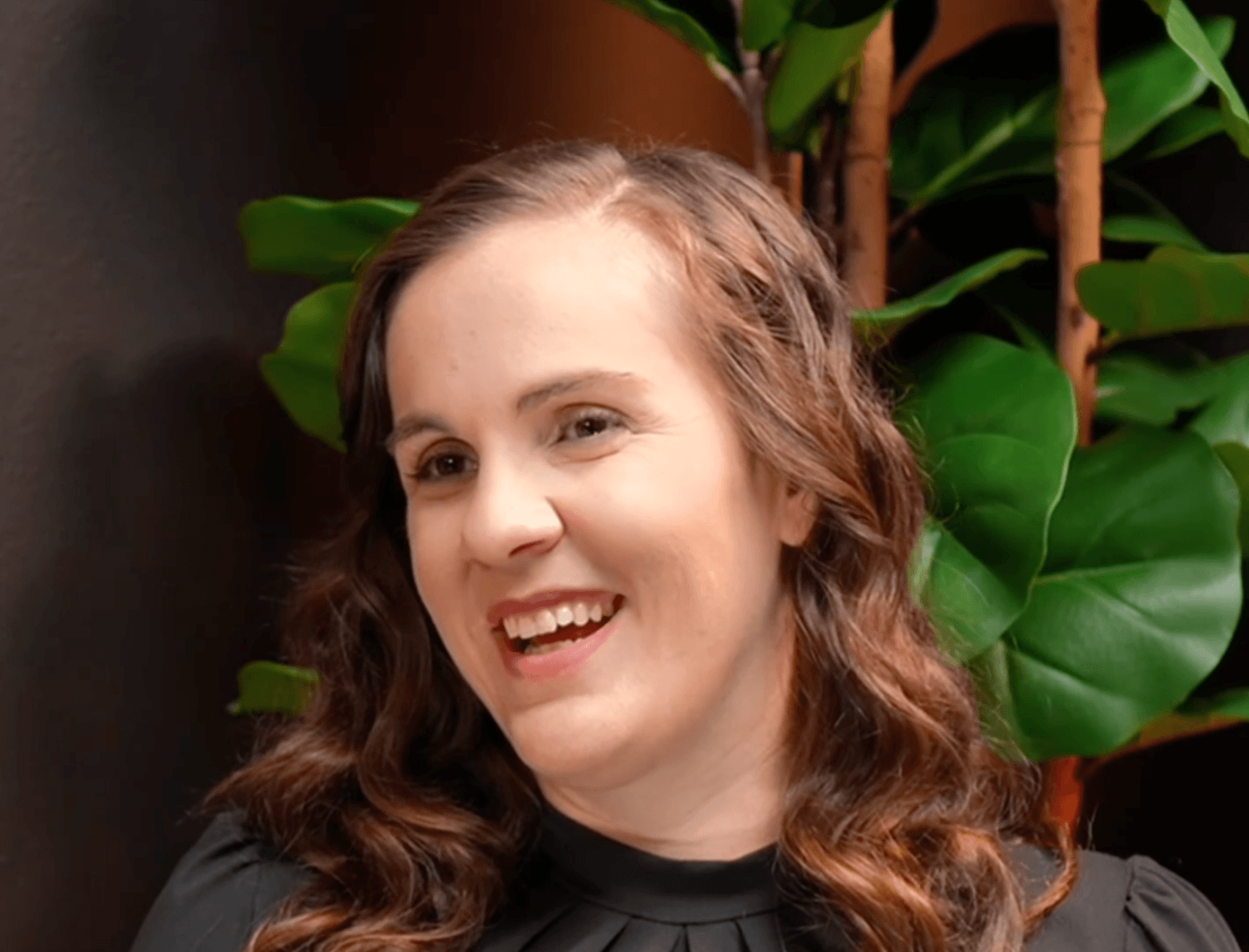
Cheyenne
Cheyenne is a first-time gestational carrier who recently completed a twin surrogacy journey. In this episode, she shares her perspective on researching agencies, preparing for transfer,carrying twins, building a relationship with intended parents from China, and navigating an unexpectedly fast delivery.
Her story highlights the human side of surrogacy: support from family, connection with fellow surrogates, thoughtful communication with intended parents, and the fulfillment of helping a family grow.
FAQs
Rebecca: Hi everybody, welcome back to The Surrogate Buzz. Today we are meeting with our gestational carrier Cheyenne, who just delivered her baby, to chat about how the process was for her and what led her to become a surrogate. But before we get started, don't forget to like, subscribe and comment.
Rebecca: Cheyenne, welcome. Thank you for coming here with us today and talking about your journey. We have not had a surrogate on yet, so I love that we get to talk to you and just hear your experience. You're very recently delivered.
Rebecca: So thank you again for being here with us, not that long after your delivery. But before we get started, do you just want to introduce yourself and tell us what led you to become a surrogate?
Cheyenne: Yeah, of course. So my name is Cheyenne. I just completed my first surrogacy journey.
Cheyenne: Absolutely loved every single step of it. It was a really, really cool experience, and I think one of the things that I really wanted to do, or was excited to do, was to give the joy of a family to someone who wasn't able to do that for themselves. So my IPs were awesome.
Cheyenne: I'm really grateful to have met them and gone on this journey with them, and seeing the joy that I was able to give them really kind of solidified, you know, the decision that I made to do this process.
Rebecca: I love that. And what made you want to become a surrogate? How did you find out about this? Did you talk to somebody, or was there a situation in your life?
Cheyenne: I had a coworker actually, like a distant coworker, who was also a surrogate. And my husband worked with her directly, and we kind of talked about the process that she was doing, and I thought, wow, that would be really cool to try myself. So just seeing her going through it really kind of sparked that interest in me. And you know, a couple years later here I am.
Rebecca: Yeah, I love that. So you delivered how long ago?
Cheyenne: About two weeks ago. Yeah, I think two weeks today actually.
Rebecca: Yeah, that's so crazy. I mean, like I was telling you before we started, for me it goes by so fast. It's like you get matched and then boom, it's like, oh hey, by the way, Cheyenne delivered. It's wow, you know. I'm sure it probably didn't go as fast for you, but yeah, we're happy that you were able to help your intended parents. When you were in the beginning stages of this journey and you met with this coworker and you were talking to her, what kind of led you into your research on choosing an agency, and what was important to you when you were making that decision?
Cheyenne: I think my biggest factor in decision making on which agency I was choosing was the feel of the inclusion, kind of being made to feel — not that it was necessarily like a business transaction of sorts, but more that it was like a family environment. Like you were joining a big group of people who, you know, were all like minded and all excited to be doing this process.
Rebecca: Yeah. And so did you meet with agencies? How did that process go for you?
Cheyenne: Yeah. It's been a minute, but I think I had like a short list of like three or five different agencies and kind of just did research on each agency. Reached out to a couple different agencies and kind of worked with their intake, and got a feeling from their intake person. And kind of just went with that.
Rebecca: Yeah, I feel like that's kind of like the introduction to the agency, right? Because you don't know anything. Obviously, you can Google or, you know, read online, maybe their website. But yeah, it's really just that feeling that kind of gets you, you know, I guess comfortable on moving forward. So what made you comfortable once you met with that intake person? What were those conversations like? Maybe just so if somebody is looking into this process, maybe that's something to look for.
Cheyenne: Yeah. I think I just really remembered it being kind of like a warm fuzzy feeling. Like I just knew. 'Cause I had again spoken with a couple other agencies and I got good feelings from them, but I think when I spoke with the intake here, it just felt right. And it was about two and a half years ago now. It's been a long process. So I don't quite remember the exact things that led to it, but I do remember it just being a feeling of everything kind of falling into place.
Rebecca: Yeah. So I know it's probably hard to remember, but do you remember what that process looked like for you once you decided to take the next step to move forward? What steps did you go through in order to complete becoming a surrogate, or getting ready to be matched?
Cheyenne: Yeah. So I think one of the things that I had a difficult time with back when I was doing all of this kind of prepping was getting a hold of my medical records.
Rebecca: Yeah, medical records are probably the worst part.
Cheyenne: They were tough to track down, especially because I think the hospital that I had delivered my oldest daughter at was no longer around, and so they had to go into the archives and find the medical records and scan them in.
Rebecca: Sounds about right.
Cheyenne: Yeah. So it definitely took a little bit longer. Which I do also think helped me kind of make my decision. I didn't feel like I was rushed. It was all on my time. You know, she was there, whatever I needed, any questions I had, anything like that, she was there for me and I wasn't being pushed into it.
Rebecca: Yeah. You had time to mentally prepare for this journey. I guess to maybe talk about that, was there anything specific you did to really mentally prepare yourself? What did you set up with you and your family, knowing that you were going to come into this journey and sort of an unknown of what that looked like in the time frame for you?
Cheyenne: Yeah. I really just kinda had faith that the process was gonna work out, and my daughters are younger enough that it wasn't necessarily like a conversation with them. It was really just more between my husband and I. Kind of him being okay with going through this process. But he was super supportive of it and he was very much like, whatever you want to do, I'll follow along. And I just kind of, when I get an idea in my head, like, I'm doing it.
Rebecca: I hear that, yeah. He really didn't have a choice.
Cheyenne: Yeah.
Rebecca: And so that's good that you had the support of your husband, because that is definitely one of those things that is really important in this journey that I think sometimes gets overlooked. You know, I want to help families. I've had good pregnancies. There's a maternal thing that I think we feel when we come into this process, like you mentioned, like I really just want to help a family, and like I'm envisioning delivering and the family being so excited and things like that. But it's hard for someone who doesn't have those same thoughts or feelings to understand where you're coming from. So when you approached your husband about this and he says, yeah, I'm on board, did you get any sort of hesitation, or anybody I guess in your supportive little group, that thought maybe it was a little odd, or, you know, how could you do that? Or things like that. Because we always hear very different comments from different people depending on their education level of surrogacy. Maybe they don't understand where you're at or why you would want to do that.
Cheyenne: Yeah. Luckily everybody in my support group was really on board with it. They all thought it was a really great idea, something really cool to do. I think my husband obviously had some hesitation about going through the process because he did his own research.
Rebecca: Okay.
Cheyenne: And he was worried about certain, you know, things, the worst of the worst things happening, but obviously those are few and far in between. So he was able to kind of move past those things. Really again because he didn't have a choice. I was going for it. But no, he was really supportive of all of it, and happy to be able to be a part of that journey as well.
Rebecca: Even though he's not directly doing it.
Cheyenne: He was still able to be a part of it.
Rebecca: Good, good. And so what did the process look like for you leading up to the embryo transfer? And what were your feelings around having an embryo transfer? Obviously for you, you could tell your story, but it was a little bit on the longer side.
Cheyenne: Yeah. So I had my medication kind of time frame. I was doing medication and cycling for about six months before the embryo transfer. I was a little discouraged. I'm not gonna lie.
Rebecca: I'm sure. That's a long time.
Cheyenne: Yeah. I was a little discouraged when they were like, okay, here's your transfer date. We're going for it. And the last checkup before that transfer date, they were like, you know what, we're just gonna go for it. And I was finally like, we're doing this. Like it's been such a long process. So I was really just excited to stop the injections. I mean, I had to continue them a little bit longer, but I was excited to kind of get the show on the road and be in it, not just kind of waiting for it to happen.
Rebecca: To happen. Hopefully.
Cheyenne: Yeah.
Rebecca: So for people who don't know or understand the process, what led you to have to cycle that long, and why was the transfer so delayed?
Cheyenne: Yeah. So throughout every cycle up until the successful one, my uterine lining was a little bit more thin than they had hoped, and they had stated that was most likely due to the fact that I had an IUD before — before I had it removed after a contract. So that was kind of causing my lining to be thinner than ideal for the transfer. In hindsight, we did kind of realize that maybe we were just getting inaccurate numbers and we probably could have gone sooner. But I think it all worked out the way it was meant to be. And so, yeah, it was an interesting process, but it worked.
Rebecca: Yeah, and everybody's lining is different. Obviously the IUD is in place to kind of keep your lining not thick, which is why most people don't get a period or a very light period. So maybe it's just the timing of, you know, your IUD being taken out and the process. But sounds like you were able to get there, which is great. So after you have the transfer, obviously that's an exciting time, but also very nerve-wracking.
Cheyenne: Yeah. Right.
Rebecca: So how did it go after transfer? What were your feelings? Did you take pregnancy tests? What did that look like? Everybody's journey is different after an embryo transfer.
Cheyenne: I was worried that it wouldn't work. They did give me an hCG shot after, so I couldn't test.
Rebecca: Oh, okay, because it would have shown positive.
Cheyenne: But my first levels at my next appointment were really high.
Rebecca: Okay.
Cheyenne: And so we were actually really hopeful that — both, because I had a double embryo transfer.
Rebecca: Okay, I was gonna touch on that. I was gonna say, wait, I don't know if we've touched on the fact that you had a double embryo transfer.
Cheyenne: Yes.
Rebecca: Okay.
Cheyenne: So with my high levels and my first appointment afterwards, they were very hopeful that it was a successful twin pregnancy.
Rebecca: Yeah. And again, everybody's hCG is different too. So my hCG, I think, with my twins was like 125. My first one. What was yours?
Cheyenne: I think it was like one thirty.
Rebecca: Okay.
Cheyenne: It was a while ago. I don't recall specifically, but I do remember being like, this is it. It could still be one.
Rebecca: One, yeah. I did the same thing. But it's kind of a twin number.
Cheyenne: Yeah. So I was like, I don't know, maybe fingers crossed, that would be awesome.
Rebecca: Yeah. And then we have girls that are like in the thousands and it's like, oh my gosh, did the embryo split? You know, and then it's just like their hCG number was just high, you know, because that's just how their body produces it. So it is always a toss-up until you get to that heartbeat confirmation and then it's like, oh my gosh. So obviously mentally you've prepared yourself for a double embryo transfer, the potential of me having twins — which, just to question, you've never had twins before, right?
Cheyenne: Okay.
Rebecca: So this would be a whole new experience for you of, you know, what if, and what's this pregnancy gonna be like? But I would think, you know, obviously mentally you're preparing yourself for that. But what was it like seeing the ultrasound and seeing two heartbeats in there? Was it trippy or what?
Cheyenne: Crazy. Yeah. It was really crazy. And I was actually really lucky because the intended parents were there for the heartbeat. So the mom was in the room with me and she was just so excited. She was so happy and I was hormonal already. Like I was crying because I was happy for her. It was also like, oh my gosh, there's two of them in there.
Rebecca: Yeah.
Cheyenne: But it was just really cool. It was really exciting to know that everything that we had worked for was successful. And then it's like, okay, now I'm pregnant with twins. What's this gonna be like?
Rebecca: Yeah. So let's kind of go back to when you first matched with your intended parents, and let's touch on your intended parent relationship. So once you got matched, you had your match call — how did your relationship start after the match?
Cheyenne: Yeah.
Rebecca: And where are your IPs located?
Cheyenne: They are from China.
Rebecca: Okay.
Cheyenne: So we used WeChat.
Rebecca: Okay. Kind of like WhatsApp, for communications.
Cheyenne: And I had a hard time getting set up on the app.
Rebecca: Okay.
Cheyenne: At first. So we had pretty limited communication at first because of those issues, but once I was able to get it figured out, we started communicating pretty regularly and we became really close.
Rebecca: Oh, I love that.
Cheyenne: Yeah. So it was just a really, really good experience with these IPs. They are wonderful people, and you know, we're so grateful to have their friendship now.
Rebecca: Oh, I love that. So did it just vibe naturally? Like you guys just started chatting, asking about — because, you know, I think when people envision this journey, it's kind of nerve-wracking, right? It's like nervous and excited, because you're meeting somebody for the first time, which is pretty minimal, you know, usually maybe an hour or two. And then you're making a decision to move forward with them. It's kind of like dating. You know, it's like I'm meeting this person and I'm choosing to move forward with them. For this relationship that is short term, but really close because of the human experience of surrogacy, where we're gonna be really close and we're gonna be bonded and I'm making a decision to move forward. And so I think, you know, for someone who doesn't understand this process or is looking into it, what does that look like, and does it just happen naturally or is it push? How does it happen over time?
Cheyenne: It was odd at first.
Rebecca: Yeah, I bet.
Cheyenne: So it was definitely something interesting at first, trying to kind of gauge what our relationship was going to be like.
Rebecca: Okay.
Cheyenne: I was very big on, like, I would love to have a continued relationship with them, throughout the process and after the process. But it's not my decision ultimately. I was kind of like, whatever you guys want to do, I'm here for it. And we matched kind of just on a vibe.
Rebecca: Yeah.
Cheyenne: I, you know, heard their story, they heard my story, kind of met when we FaceTimed or whatever with my kids and my husband, and we all kind of seemed to get along and it worked out well. And then after we matched, when they were out for the heartbeat confirmation, we all went out to dinner with my kids and my husband.
Rebecca: Oh, I love that.
Cheyenne: I remember leaving that dinner and they had brought gifts for my daughters, and my husband was like, man, we made a good choice. Like these are good people. I really like them. And of course my daughters were playing with their new stuffed animals. They were like, I love them.
Rebecca: Oh, that's so cool. So even though they were far away, where they're living, you still were able to connect and, you know, meet up with them.
Cheyenne: And yeah, I got super lucky. The intended dad travels out to like San Francisco a lot for work, so he would be kind of in the area, or like Los Angeles, and he would be willing to be like, hey, you want to go get lunch? Like I can drive down and we can meet up for lunch. So I did get to see him a couple of times during the process. And now they're here with the babies. And so I actually was just with them yesterday and went to go visit the baby that's still in the NICU. So they're here for like a month or so, so we're actually going over to dinner on Saturday too.
Rebecca: Good, I love it.
Cheyenne: It kind of evolved into a really great relationship. And I'm really grateful for that.
Rebecca: That's good. I mean, everything is very hypothetical when you meet, right? Like, this is the kind of relationship I want to have. And they say this is the kind of relationship I want to have, but you just never know how it's going to evolve over time, right?
Cheyenne: Yeah.
Rebecca: And sometimes it's really a long-term thing and sometimes it's not. And I think either way, it's okay. Right? Like you helped parents become a family, you help, you know, generations of their family forever. And I think that that's really special. And I think just as a prior surrogate, you just hope and pray that everything goes well. And if you get that extra communication afterwards, great, and if you don't, it's okay. You're new parents and I understand you're busy. It's just an added benefit.
Cheyenne: Totally.
Rebecca: So how was it being pregnant with a twin pregnancy versus a singleton pregnancy? Now you've had both.
Cheyenne: Yeah. It was very different. It was really fun because I also have two daughters. So this was my first time having a boy pregnancy.
Rebecca: Okay.
Cheyenne: But I also had a girl pregnancy at the same time. So my symptoms were all over the place.
Rebecca: Oh, I bet.
Cheyenne: It was really funny, like the conflicting symptoms that I would have. I'd be like, oh, girl's in charge today. I want sweet. No, I want savory.
Rebecca: I want them both at the same time.
Cheyenne: I want them both. Yeah. No, it was really fun. Like I said, I've never had a twin pregnancy, probably never will again. But it was just a really cool experience to feel both of them and to understand kind of how they both grew.
Rebecca: Yeah, I know. It's a crazy feeling. You have, like, you know, eight limbs at one time, like always trying to feel them all the time.
Cheyenne: All the time. Yeah, all the time.
Rebecca: So when you were coming into this journey, and obviously just starting and being pregnant and going throughout the journey — support-wise on the agency, how important was that to you and what did that support look like?
Cheyenne: Yeah, it was really important to me. And I think one of the things that I look at as really good support is being there when I have questions, being there when I need them, but not being overly on top of me on things.
Rebecca: Yeah.
Cheyenne: Kind of just letting me lead, in the way that I let my IPs lead with their relationship. It was really important to feel like I had the support, but not like a push type of thing.
Rebecca: Yeah. And what were you wanting for support? Was there anything that you envisioned during the journey like, hey, this is the role that I want the agency to play, or this is what my expectation is of the agency?
Cheyenne: I really wanted someone to kind of feel like a friend, and not necessarily — I don't know the word — like somebody that was just there from a business type of thing. And I got that. I was really, really happy for all the girls that I worked with throughout this process. I always felt like they were there if I needed them, if I had any questions or just wanted to share something fun. I could reach out and they were always super excited to hear updates and ask questions and stuff. So it was a really cool experience to have that friendship aspect of it.
Rebecca: Well yeah, because you have your own support, right? In your daily life, which is like helping you with kids or the things that you need because you're tired and you're pregnant, or just the mental piece of it, like man, I'm having a rough day. Not in your case — you had good close IPs — but maybe if there's an IP issue you kind of just vent. But I feel like just having also another side of people who have been through what you've been through. And were you able to attend support group?
Cheyenne: Yes. Yeah. I made it a point to attend support group every night. I really found that helpful just to have that, like you said, like people to understand what you're going through. Because I have friends, I have my support group outside of it, but they haven't experienced this before. It's very new to them. So to have that support of girls that understand the process and what I'm feeling, and are there to help support, that was really —
Rebecca: Yeah, because I mean they may have gone through something similar to you. Like for you, your journey wasn't perfect in the beginning, right? Because you had delays and lining and you know, those things. And so for you coming into this, I'm sure that was probably difficult, was hard for you, because you're envisioning, oh, everything's gonna be so great and I'm gonna move forward — and you know, the things that we don't think about when you have your own child, right, where you are getting your lining checked and you're doing all these things where usually you don't have to think about that. So I think it's good for women like yourselves, and maybe someone who has had a good journey, just to understand the differences of what happens, get the support of people who may have gone through the same thing as you. I mean, you're hearing all different journeys and everybody has what happened with them and what's going on, and it's kind of like, wow, okay, I'm not alone, right, this happens to other people. Because I feel like when you're going through something you always think, like, oh my God, it's me, and how is this happening? But it's actually happening to other people.
Cheyenne: Exactly. I think that was really important, to know that you're not alone in it, that there are other girls who are experiencing similar or the same things, and have, you know, that background of how to handle it and how to kind of move forward from it. Because I definitely had some hard times in like my failed cycles and I was like, man, is it something that I did? Like, what can I do? And they're like, no, it's not you. It just was not meant to be. Well, you know, next month will be better. And it would be. So it was just really great to have people that kind of understood what I was going through.
Rebecca: Good. I love that. And you were able to attend retreat, because I was with you. So at least that was cool too. You got to get out of your normal situation and come into a situation where everybody was together and we got to spend like good quality time together.
Cheyenne: Yeah.
Rebecca: And then you get to meet the girls that were on support group with you, right?
Cheyenne: Yeah. And become friends with them and everything. So it was really cool because in support group moving forward, I'd be super excited to be like, oh, what's she been up to?
Rebecca: Yeah. Did she have her transfer? Did she have a baby? Yeah, I know. I remember that too. I mean, I still have relationships with people that I've met when I was a surrogate way back when, you know, before I was even at the agency. And I think those just stick with you, because those were people who went through something with you that other people would never even understand.
Cheyenne: Right. Yeah.
Rebecca: So after going through this journey — and we'll touch on your delivery in a little bit — but what do you think is something that most people don't understand about surrogacy, or maybe something that is overlooked?
Cheyenne: I think really just, it's hard. 'Cause there's a lot of little parts that I wasn't prepared for.
Rebecca: Okay.
Cheyenne: From like the medications and the cycling, to all of the additional kind of monitoring that you go through just to make sure that everything works, and the relationship with the IPs.
Rebecca: Yeah.
Cheyenne: There was a lot of unexpected parts of the process, but kind of in hindsight, I enjoyed all of them because it was part of the bigger picture. And you know, everything led to where we are now. It was just really cool, like all in all.
Rebecca: Yeah. Even you're like, oh, I never had to give myself a shot before, but here we go.
Cheyenne: Yeah. Usually I would have my husband help, but there was one day when he had to leave and I was like, oh no, I forgot. I had to do it myself and I was like, never again.
Rebecca: Yep, I know. I was in the same spot too. Like, what do I do? Oh, he's not here. I guess I have to put my big girl pants on and give myself this shot, because what is my other option really? Ask my seven year old to help me with that?
Cheyenne: Yeah, right.
Rebecca: I know, and they're like, what are you doing, mom? So let's talk about your delivery, because that is a really fun story. Well, fun — you know, obviously probably not fun for you at the time. So you go throughout your journey. What does it look like for a twin pregnancy in regards to doctors appointments? I would think that was more.
Cheyenne: Yeah. So I had definitely more appointments because of the twins. And then the boy twin did have velamentous cord insertion. So it wasn't directly into the placenta, which caused additional monitoring to make sure that his growth wasn't being restricted.
Rebecca: Okay.
Cheyenne: So I went from like once or twice a month appointments for like the first half of the pregnancy, to like two to three times a month, and then like twice a week.
Rebecca: Oh wow, okay. Towards the end.
Cheyenne: Yeah, like I was doing two NSTs a week, and I had my regular OB one week and then the next week I would have the perinatal OB, and then I would have my growth ultrasound. So it was like constantly going to different monitoring appointments.
Rebecca: Yeah.
Cheyenne: But I loved it because I got to see babies like every single time. With a regular pregnancy or a singleton pregnancy, you get to see them maybe three times.
Rebecca: I know, it's horrible. They should change that.
Cheyenne: But I was like, I'm excited to go in today, because even if it's for like a second, I still get to see them and hear them and check on them and know they're okay, because you don't know.
Rebecca: Yeah.
Cheyenne: Yeah. So it was cool to have all that additional kind of contact with them throughout the process. But it was definitely a lot of appointments.
Rebecca: I'm sure. Yeah. Well, and especially if you have any sort of, you know, medical reason to be seen even more, that's probably why you were seen —
Cheyenne: Yes.
Rebecca: — more so than a normal twin pregnancy.
Cheyenne: Yes, yeah. There was a little bit extra focus on making sure that he was still growing accordingly.
Rebecca: Yeah. Okay. And so walk us up to delivery, labor, delivery. It was like all the same hour.
Cheyenne: No, it was — so in the morning, I was thirty-four weeks exactly. And I had that day specifically an NST in the morning, and the perinatal ultrasound, like an additional growth for baby boy's purposes, in the afternoon. And I went to my NST and everything was fine and I was having Braxton Hicks, which, you know —
Rebecca: It could be days, weeks. We never know.
Cheyenne: And the nurse, I remember being like, okay, just let us know if it changes, go straight to labor and delivery. And I was like, okay, you know, again, days, weeks, right. Not a big deal. And I went home, ran some errands, you know, mom stuff, and came back and called my husband and was like, you know, I don't feel good. Like something's changed. Like the tightening contractions are starting to hurt my back.
Rebecca: Mm.
Cheyenne: And he was like, I don't know, I'll come home, let's go to your appointment early and just stop in labor and delivery. And I was like, okay, that's fine. So I took a shower and it didn't get any better and I was like, okay, I think you need to drive. Like still kind of — I think I was in denial because with both of my daughters —
Rebecca: Well, because you were just there. And it's like, yeah, Braxton Hicks.
Cheyenne: Well, with both of my daughters as well, I was induced. And I had my induction scheduled for these babies for at the end of the month.
Rebecca: Okay.
Cheyenne: And so I was like, okay, not a big deal. It's not my induction date.
Rebecca: So you've never gone into labor on your own?
Cheyenne: No.
Rebecca: Okay.
Cheyenne: So I get out of the shower and I'm like, I don't know, maybe I should pack a bag just in case they keep me for observation or whatever. And then I started to feel more and more contractions. Well, again, I thought they were just Braxton Hicks, right?
Rebecca: And you're moving around, yeah.
Cheyenne: And we get in the car, and it was like a 30-minute drive from our house to the hospital that I had my appointment at that afternoon, which was not the closest one, but it was for perinatal. And about halfway there, I started to feel a little bit heavier contractions. And I was like, okay, something's definitely happening. Got a few minutes out, started to feel like I had to push. I was like, step on it, drive faster, please.
Rebecca: How far out are you? Ten minutes?
Cheyenne: Probably 10 minutes at this point. Yeah. And so I throw my chair back. I'm kind of rolling around, trying to not push.
Rebecca: Uh-huh.
Cheyenne: 'Cause I think I'm still in denial, but I remember that feeling and I know I should fight it. Like, don't push. So we roll up to the hospital. He goes and tries to find a wheelchair, and I start walking towards the front door. And he's like, get in the wheelchair. And I was like, no, I'm sorry, I'm walking. Like I need to walk. And we walk inside, the security guard at the front desk sees us and immediately just points to the elevator and was like, third floor, labor and delivery. And we get in the elevator.
Rebecca: You must have looked —
Cheyenne: I probably looked feral. Like my husband's having a panic attack and I look like a wild animal.
Rebecca: Because you've just rolled around in your car for 30 minutes.
Cheyenne: Okay. And we get up the elevator and we walk up to labor and delivery, like check in, and there's this very heavily pregnant mom checking in with her husband and she's got this like mama with the footprints, and she's so excited, probably having her first baby. And my husband just like screams, my wife is having a baby. And she looks at me and she's like, oh yeah, no, she can go first. And the nurse is like, okay, let me just take you back into the triage room, get you checked in. And I walked back to the room and I told her I have to go to the bathroom. And she's like, okay, go ahead and, you know, use the restroom and then come back and we'll check you. And I walked into the bathroom and I immediately was like, nope, nope. Came back, sat down, laid down on the bed, and the nurse held up a baby. It just fell out. He flew out.
Rebecca: Did you feel that when you tried to go to the bathroom? Is that why you turned around?
Cheyenne: Yeah. I think at that point I was like, I know that the second that I do any pushing —
Rebecca: Or sit down to read. Anything.
Cheyenne: Yeah. Like, it's over. So yeah, it was really quick. I didn't have an IV. I wasn't hooked up. There was no heart monitors. Like the nurse just went to check and came up with a baby. And so she yelled out into the hallway, because we didn't even get the door shut, like, I need help. And then all of a sudden there's like 10 doctors and nurses. It's just chaos and everyone's everywhere.
Rebecca: And you're still in a triage room.
Cheyenne: I'm still in triage, like still wearing my clothes. So I heard baby boy cry and then they took him away, and then there's just doctors everywhere, and it kind of calmed down a little bit and they were like, okay, what's your name? And we got all checked in. They took me into a labor and delivery room. And I was able to get the epidural, which was tough, 'cause I had like the post labor shakes and the contractions.
Rebecca: Because you still need to deliver another baby.
Cheyenne: So she's like, you need to hold still, you can't move. And I was like, this is gonna be really —
Rebecca: You're like, you do realize I already gave birth to one child, right?
Cheyenne: Oh my gosh, whatever it takes, just please make it stop hurting.
Rebecca: Yeah.
Cheyenne: And so I got the epidural and they were like, okay, well you're fully dilated, she's ready, we're ready, let us know when you're ready. And I was like, can I have like ten minutes for it to kick in? Like, please let this work. So I was able to wait a few minutes, let the epidural kick in. And they came back and they're like, okay, do you feel any contractions? And I was like, no, I don't feel anything. Like I'm good now. They're like, okay, well your next contraction, we're gonna push. And I pushed twice and baby girl came out. So they were born about an hour and 40 minutes apart from each other, but like whole different setup.
Rebecca: Right? It was complete —
Cheyenne: Baby boy wanted to get out as fast as — I'm out, she's bothering me.
Rebecca: Yeah. He just took a suite and pushed off of her.
Cheyenne: Yeah, but it was chaos. It was crazy, but it was such a cool, like a cool little bow to the experience. You know, it was just fun.
Rebecca: Well, and the fact that you were able to have a vaginal delivery, which I think everybody going into a twin delivery anticipates, I'm more than likely probably gonna have to have a C-section, because that is something that is discussed with you pretty early on.
Cheyenne: Yeah.
Rebecca: Like just to prepare you mentally. And so that's cool that you were able to have a natural birth, which doesn't happen that often for twins. And not like you actually had time to plan that.
Cheyenne: So thankfully everybody was safe and healthy, and they were following in my footsteps. Like, we're doing this.
Rebecca: Yeah, right. We're doing this. And were the IPs able to make it?
Cheyenne: They were not there for the birth.
Rebecca: Okay.
Cheyenne: Dad was actually in San Francisco again for work. He was set to fly out like the next day and wasn't going to be back until the birth at the end of the month. So he was luckily still in California. And he hopped on a flight immediately and was there that night. And then when he came in to see me, we FaceTimed with mom and she was already at the airport, like ready to go. A day and a half away, a day and a half journey of being there. But she got there the next night.
Rebecca: And how did that call go? Did you call them on the way to the hospital? Like, hey, something's going on.
Cheyenne: Yeah. So on the way to the hospital, I was messaging a lot of people because I was also still not done with work.
Rebecca: Oh.
Cheyenne: I had a whole nother week of work scheduled still. So I was messaging my boss, I was messaging my best friends, my mother-in-law, telling everybody like, hey, this is about to happen. I messaged my group chat with the parents and was like, hey, I'm not sure if something is happening or not, but I am going into my appointment right now and I just wanted to let you know. And she's like, oh, do you think they're coming? And I didn't have a chance to respond. So my group chat with the agency — they were able to inform them that babies were born, because it was just very quick.
Rebecca: Well, chaotic. And the fact that you're like, hey, by the way, I'm like seven centimeters about to push a baby out in my car, by the way. And I'm just messaging everybody. So I feel like if that doesn't scream, like, I am woman, like I could just do it all. Have a baby and text everybody. Well, in your mind you had no clue.
Cheyenne: I was in such denial.
Rebecca: Yeah.
Cheyenne: Like I was certain that I was gonna get sent home, that it wasn't happening for another couple of weeks. And it just happened so quickly.
Rebecca: Yeah, that's so crazy. But I mean, how cool that, you know, IPs got there, I mean, even that night. Especially for something that happened, you know, a few weeks early.
Cheyenne: Yeah. It's just like perfect timing.
Rebecca: It's like, hey, by the way, I know my dad's in the area. Let me just come out exactly before he goes home tomorrow.
Cheyenne: Right. Yeah.
Rebecca: Because I think that's another fear, and I don't know if that ever crossed your mind being pregnant with twins, but did you have conversations with your intended parents, kind of like, hey, when do you plan on coming? I mean, as an agency, we have markers of when we prefer intended parents to be here, obviously, but babies have —
Cheyenne: Yeah. Their own plan.
Rebecca: Yeah.
Cheyenne: So my due date was like the end of May.
Rebecca: Oh, okay.
Cheyenne: And my doctor had been saying the whole time, like with twins, we're not gonna go past like 37.
Rebecca: So that's the beginning of May.
Cheyenne: Okay. The intended parents had said that they were going to be coming out at the end of April, around like the 25th. And then with the velamentous cord for the boy, they were like, okay, we're going to have you scheduled induction on like the 28th of April, so even sooner. And it was like, oh well, they're scheduled to be out here like three days before that induction date. So we were like, that worked. Originally we were like, we're gonna have like two to three weeks where we can go out to dinner and we can do things. And then it was like, oh, we have three days. And then it was like, he missed it, it already happened.
Rebecca: Yeah. And sad for them, but again, I mean, not something you can plan.
Cheyenne: Yeah, completely out of control. But they're here now and they're with the babies, and they're just so happy and everything is good now.
Rebecca: And now you can have your couple of weeks together, but with the babies.
Cheyenne: Exactly.
Rebecca: And are they comfortable with you seeing the babies and holding the babies and all of that?
Cheyenne: Yeah, so I am pumping for them. So maybe a week ago I did go drop off some milk at the hospital while the babies are still in the NICU, and they were there and they were like, come back, hold them. And I was like, sure, like I don't know about that. And they're like, no please, hold them, you helped with them, you made them, so we want you to have this relationship with them. And so it's been really great. I've seen them a couple times. Yesterday again went to the NICU with mom and baby sister, who is home now, to visit baby brother. And so I've got to see them and hold them and be around them and everything. And then this weekend we're going over for dinner, so my daughters get to meet them.
Rebecca: And that's so special. You know, I think sometimes intended parents and surrogates in this process don't realize that your family is a part of this journey every day. And for kids, especially smaller children who may not understand really the whole compass of surrogacy, because we're just, you know, telling them, oh, this baby is for so-and-so, or, you know, we're just holding the baby and keeping the baby safe until they can go with their parents, and whatever layman terms you want to tell your children. But for them, if they don't get to see the product, right? It's like, well, where did the baby go? Like the baby came out of you. Where is it? You know? So I think getting them involved, or if you're looking at this process, telling intended parents like, hey, are you okay with my kids at least seeing the babies, or being able to kind of detach that? Because kids just don't understand.
Cheyenne: No, yeah. But my kids have been really, really great in this process. My seven year old daughter pretty much fully understands everything about it, and asks about the parents specifically, like a lot. She really loves them.
Rebecca: Yeah.
Cheyenne: And my youngest daughter gets really excited when we talk about them, but I don't think she quite — she's three, so she doesn't quite understand yet. She keeps asking where the babies went in my belly. But it's been a really cool thing for them to experience as well.
Rebecca: Yeah, and just to see that here's the parents and here's the babies, and this is what we did for them. We helped these people because they couldn't have a baby, you know?
Cheyenne: Exactly.
Rebecca: And obviously maybe not at three that will translate, but at least just being able to see, like, the babies are not in your belly, the babies are with the parents, and just kind of envisioning that. And obviously you're gonna be talking about this for the rest of your life, right? Because that's your life. Like this is really special to you. So I think it's cool that your girls will always have that. And you know, even like I know my kids sometimes will talk about it. And it's like, that's kind of cool, you know, that they know that I've done this. I feel very strongly about it. Obviously I work and do this every day, so they hear — they probably know way more about surrogacy than some adults. But yeah, I think it's just cool for them to also be a part of that journey for you. It's special.
Cheyenne: Yeah, definitely.
Rebecca: So in closing, your story has been great. So I really appreciate you sharing with us. Is there anything that you wish future surrogates, or I guess intended parents, should understand about this experience?
Cheyenne: I think really my biggest takeaway from this experience is the opportunity that it provides as a surrogate to be able to help create a family. You know, obviously I had pretty easy pregnancies. To be able to do this, to be able to help somebody else have the family that I've been able to have, I think is pretty cool. And then on the other side with the intended parents, the part that it's not just the surrogate, it is their family. And I've been very lucky to have, you know, intended parents that took my husband and my kids into consideration in every step of the process, and made them feel important as well. I think it was just a really cool process overall, both to see their side of it and my side of it. And I would love to do it again, kind of thing. It's addicting.
Rebecca: It really is.
Cheyenne: It's so fulfilling. It's such a fun — it's long, but it was a really cool experience to go through. And it just felt really good to finally have that moment of seeing them as a family. Like it made everything worth it.
Rebecca: Yeah.
Cheyenne: It was really great.
Rebecca: Good. Well, I hope you and your family get to take some time now together on your own, now that this journey — you know, the final step of the journey sometimes can be hard, just because it was so consuming for not just you, but for your whole family, for what, a year and a half, right? So sometimes when the final comes at the end, it's kind of like, well, what do we do now? And it's really just looking forward to being with your family and watching this other family grow and watch them become parents, and the whole process is just really cool. So I hope you and your family get to take some time together and, you know, maybe take a trip or do something where you're not pregnant, and you could do fun things now that you're not pregnant. 'Cause, you know, it does limit you sometimes on what you can do. So thank you so much for being here, and thank you so much for helping build a family. It's really special what you do and we appreciate you, and I'm sure your intended parents appreciate you. And thank you for sharing your story.
Cheyenne: Of course.
Rebecca: Thank you guys all for joining us on another Surrogate Buzz. And we will look forward to seeing you next time. Don't forget to like, comment, and subscribe. See you soon.