How to Choose the Right Surrogacy Agency and Surrogate: What Intended Parents Need to Know
How do you choose the right surrogacy agency, find a compatible surrogate, and know whether you need a surrogacy consultant? In this episode of The Surrogate Buzz, host Rebecca Deegan, Lead Client Services Director at Surrogate Alternatives, Inc. (SAI), sits down with Stephanie Levich, Founder of Family Match Consulting, to discuss agency red flags, surrogate matching, financial transparency, and what intended parents should know before beginning their journey. Together, they explore how Family Match Consulting and SAI work together, what makes a strong surrogacy team, and why intended parents can work directly with an experienced agency or choose additional consulting support.

Episode Summary
Choosing a surrogacy agency is one of the most important decisions intended parents make when building their family through gestational surrogacy. Understanding how agencies operate, how surrogates are matched, and what financial protections are in place can help families make informed decisions before committing.
In this episode of The Surrogate Buzz, host Rebecca Deegan, Lead Client Services Director at Surrogate Alternatives, sits down with Stephanie Levich, Founder and CEO of Family Match Consulting, to discuss how intended parents can choose the right surrogacy agency and find a compatible surrogate.
The conversation explores surrogacy agency red flags, matching timelines, independent escrow, agency fees, rematch policies, surrogate screening, and the role of surrogacy consultants. Rebecca and Stephanie also discuss why intended parents can work directly with an experienced surrogacy agency or choose additional consulting support based on their individual needs.
What You'll Learn
- How to choose a reputable surrogacy agency
- The difference between a surrogacy agency and a surrogacy consultant
- Common surrogacy agency red flags to watch for
- How surrogate matching works and what makes a compatible match
- What intended parents should know about agency fees and waitlists
- Why independent escrow and financial transparency matter
- How surrogate screening and fertility clinic requirements affect matching
- What happens if a surrogate match falls through
- Why communication, trust, and shared expectations matter throughout surrogacy
Choosing the Right Surrogacy Agency Matters
Intended parents should evaluate an agency's experience, financial transparency, screening practices, communication standards, and support services before making a commitment.
A Compatible Match Is More Than a Medical Match
Successful surrogate matching involves shared expectations, communication preferences, personal values, and mutual agreement between intended parents and their surrogate.
Financial Transparency Protects Intended Parents
Understanding agency fees, payment schedules, independent escrow arrangements, and potential additional expenses helps families prepare for the financial realities of surrogacy.
Surrogacy Consultants Are an Optional Resource
Intended parents can work directly with an experienced surrogacy agency or choose a consultant for additional education, guidance, and help navigating agency and matching options.
Ethical Surrogacy Requires Mutual Choice and Respect
Both intended parents and surrogates should have a voice in the matching process, with clear expectations, informed consent, and respect for the surrogate's autonomy.
Every Surrogacy Journey Is Different
Matching timelines, medical outcomes, and unexpected challenges vary. Building the right team and preparing for uncertainty can help intended parents navigate their journey with greater confidence.
Who is this episode for
- Intended parents beginning their surrogacy journey
- Families comparing surrogacy agencies
- Intended parents deciding whether to hire a surrogacy consultant
- Families preparing for surrogate matching
- Intended parents researching surrogacy costs and financial protections
- International intended parents pursuing surrogacy in the United States
- Anyone interested in ethical surrogacy and informed family-building decisions
EMOTIONAL REASSURANCE
Choosing a surrogacy agency can feel overwhelming, especially when intended parents are navigating infertility, financial commitments, and decisions that will shape their family's future.
It's natural to have questions about whom to trust, how long matching will take, and what happens if things don't go according to plan.
The good news is that you don't need to have every answer before beginning. Asking questions, understanding your options, and surrounding yourself with experienced professionals can help you move forward with greater confidence.
Whether you work directly with a surrogacy agency or choose additional consulting support, the goal is the same: finding a team and a surrogate who are right for your family.
The right journey isn't necessarily the fastest one. It's the one built on trust, transparency, compatibility, and respect for everyone involved.
- Surrogacy agency selection
- Surrogacy agency red flags
- Surrogate matching process
- Surrogacy consulting services
- Independent escrow protection
- Agency fees and waitlists
- Surrogate screening requirements
- Surrogacy rematch policies
- Intended parent and surrogate compatibility
- Ethical surrogacy practices
- Financial transparency
- Surrogacy matching timelines
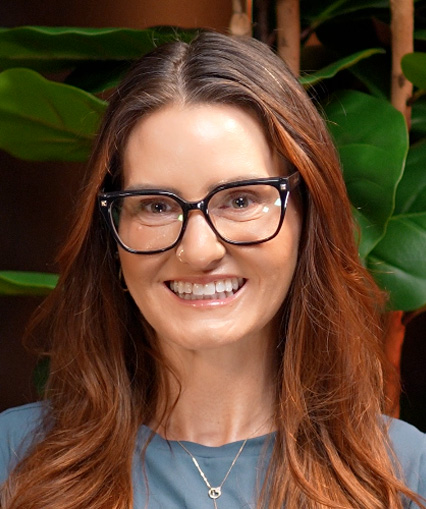
About the Guest
Stephanie Levich
Stephanie Levich is the Founder and CEO of Family Match Consulting, a family-building consulting company specializing in surrogacy, egg donation, and sperm donation.
With more than two decades of experience in third-party reproduction, Stephanie helps intended parents navigate the complexities of building a family, from finding a compatible surrogate or donor to understanding agency options, financial commitments, and the matching process.
Her own experience with infertility and IVF informs her approach to educating and advocating for intended parents. Through Family Match Consulting, she helps families make informed decisions and find the right professionals to support their individual journeys.
Learn More: https://www.familymatchconsulting.com/
FAQs
Rebecca Deegan
Hi, everybody. Welcome to the Surrogate Buzz. I'm your host, Rebecca Deegan, Lead Client Services Director here at Surrogate Alternatives. And today we are joined by Stephanie Levich, the owner of Family Match Consulting. So welcome, Stephanie. Thanks,
Stephanie Levich
Rebecca.
Rebecca Deegan
Yeah, it's nice to see you. Thanks for joining us.
Stephanie Levich
Thank you for having me.
Rebecca Deegan
Yeah. So tell us a little bit about yourself and kind of, you know, how you got into fertility, family building and the surrogacy world.
Stephanie Levich
Sure. So I have worked in the surrogacy space for about 23 years. I had started working for an ag donor and surrogacy agency in Los Angeles before branching off and starting my own agency that I ran for about 10 years. And I sold that agency before starting Family Match Consulting. And we've been in business now for almost 13 years.
Rebecca Deegan
Okay. So you've been around for a long time then. A little bit. Yeah.
Yeah. I love that. So for intended parents hearing about Family Match Consulting for the first time, like what exactly kind of do you do and what is different from the actual agency side?
Stephanie Levich
Sure. So we are a consulting firm and we help clients match with egg donors, sperm donors, or surrogates from a vast network of agencies that we work with. And so oftentimes that can help clients really find the right match and also find it a bit faster because we're casting this large net and giving them more options.
Yeah. And providing guidance and advocacy through that process as well, because as you know, nobody knows how to do this, nor should they. It's a whole new world that they're, you know, finding themselves trying to navigate.
And so we want to make that process just easier for them.
Rebecca Deegan
Yeah. And I have this conversation a lot with intended parents, because even the intended parents that come to you that, that seem like they have a pulse on surrogacy, or maybe you've done their research. I mean, there's only so much that the internet will tell you, I mean, good and bad. So I feel like even just having a consult or talking to them, it's like, Oh, wow, I didn't realize that, you know, so it's like, even those intended parents, you still are constantly educating because there is so much to know.
Stephanie Levich
Totally. And I treat every consultation as not a sales pitch to work with family match. If that's the path that they choose, great.
But I really like to be that source of education for clients. Like let's, let's start at the beginning and let me help give you the lay of the land in terms of what options are available because they're not supposed to, again, know the landscape of this process. And so let's talk through options so you can make the most informed decision as far as what path makes the most sense for you.
Rebecca Deegan
And I love that. I feel the same way. Like I don't need to sell you on why SAI is so great. You could do your research. You could talk to people.
It's really about education. And I feel like there is a lot to know. And I feel like at the end of a call or the end of our conversation, if I was able to provide you with the information you need to proceed in your journey, then I feel like I did my job.
Right. And then it's like, okay, how do we move forward from here? If, you know, I get to work with you great.
And if I don't like, I wish you the best, you know, here's just everything you need to know. You know, sometimes I'm always like, did I give you too much info? How much more info do you want to give me? Because it is a lot to, to take in at first.
And, you know, you've been around the business for a long time and you kind of see how the trends have changed. And I feel like it's so surrogate based right now where it wasn't like that many years ago, right? It was like, oh, I love Stephanie or I'm going to work with Stephanie.
And, um, and that's just what people did. But now it's just so surrogacy, surrogate driven in regards to, well, this is my criteria and I'm looking for this specific surrogate. But on the flip side of that, and I guess, especially for you too, it's, it's kind of a two-way street where, okay, yeah, the surrogate fits with what you're looking for, but does the agency fit with what you're looking for? Because it's still, it's still connected, right? So you a great surrogate, but maybe not a grade of an agency and you're still working with them for quite some time.
Stephanie Levich
Right. It is like putting this big puzzle piece together. And it's, I'd say the number one thing, there were a lot of reasons that led me to start Family Match.
But what I realized is the simple fact that not every agency will end up having the right surrogate for intended parents at any given time. And I would see a lot of outcomes that were very far from ideal, whether it be people sitting on a wait list for a year 18 months two years whatever that might look like or end up matching with the surrogate who is really really outside the scope of kind of who they hope to find and what a a great match would look like because they just wanted to move forward and I thought there's just got to be a better approach we can take and and so um that's kind of what prompted me to start this process and we are like you said kind of putting the surrogate first. At the end of the day, I think who intended parents choose to go on this journey with, and this is the same for surrogates, of course, who they choose to go on this journey with as well, really matters more than any other decision in this process.
And so we want to get that right.
Rebecca Deegan
Yeah. So there's a few different paths that intended parents can take. So obviously they can go straight to the surrogacy agency while they could also choose to work with Family Match. So who do you think benefits from having that additional layer of guidance? And who may be perfectly comfortable going directly to an agency versus?
Stephanie Levich
Yeah, it's a great question. And I think for those who are in touch with a couple agencies, maybe their clinic gave them a list and they were able to find a match quickly and it made sense. Like, great, go that route. If you're comfortable with the candidate and you really like the agency, then go for it. I think the clients who benefit from working with us are those who really, A, don't know where to start.
B, really want to move this process forward as quickly as possible because of our large network. That's really what allows us to match clients much faster. Our average timeline to match is about three months, give or take.
Or they're really busy professionals and they don't have time to call around to lots of different agencies and they just want someone to kind of do the legwork for them. And one more category I would say is clients who really want additional guidance, support, and advocacy throughout the whole entire journey. We offer two very different services.
One is where we help clients match. We get them to that point of matching, and then the agency takes over in managing the whole process from there. Or our consulting package where
we stay on board and work collaboratively with the agency, with the clinic, with the attorneys, with all parties to help oversee the journey through until delivery.
Rebecca Deegan
Yeah. So you're kind of like the agency on that side and we're just working together agency versus and I should say agency and your agency kind of. So it's kind of like everybody's on board, which gives them the extra support, not only from you, but also if it's, you know, a client, I can say, hey, I know you have Stephanie, but you could also reach out to me as well if there's anything you need or have questions for.
Stephanie Levich
Exactly. And, you know, as you know, there's things that come up in journeys that can be unique and difficult to navigate. And we found that, you know, during those times, it can be really helpful and beneficial for the surrogate to have her representation and the parents to have theirs.
Agencies, it's hard. I ran an agency for 10 years and you're walking a very fine line of representing both parties. And so sometimes just having support on each side and for us to work together and, you know, we work together.
So we know what that's like, where we come together to look at all sides and really together strategize the best path forward, which can be really helpful.
Rebecca Deegan
No, it is great. Cause I mean, on the supportive side, you're right. You do walk kind of a fine line of, okay, we're representing the surrogate, representing the IP.
And then, you know, when we work with you, it's okay. You guys are taking care of the intended parent. We're taking care of the surrogate. So we can, you know, focus on not only the intended parents, but also the surrogate where we have of, we each have a barrier of like, okay, here's what this brings to the table. Here's what this brings to the table. How do we move forward?
Um, yeah, cause we know not every match is perfect and there's going to be things that come up. Um, and so it is nice to just kind of have that like extra barrier. So, um, so working with a consultant and additional services and additional costs on top of a surrogacy journey.
So what should intended parents consider when deciding whether an additional service makes sense for them.
Stephanie Levich
Yeah, I think overall budget, of course, is really important. Our standard search is not, there's not a huge cost added on to the overall surrogacy amount. Our full consulting package costs more.
But that's one of the things we really educate clients on is what is this going to cost all in? And it's something I talk about a lot because I know there's a lot of agencies, for example, out there when they consult with clients, they are painting a very narrow picture of what this journey is going to cost. They might be quoting things like their agency fee, the surrogate compensation, and the surrogate's benefit package.
And I talk with so many clients who come to me after having these conversations, and I have to be the bearer of the bad news and give them the real full scope that includes things like, you That's a whole topic, as you know. And many times they just were not prepared for that. And so if our fees fit into what that overall kind of full financial picture looks like, then great.
But that's my job is to make sure that they understand what that entails.
Rebecca Deegan
Yeah. We feel very strongly about just making sure that nothing is held back. You know what I mean?
like, I want you to be very aware of financially what this looks like, because the last thing you want to do is try to match an intended parent and come back and say, okay, no, my total was X amount of number X number. And you're like, okay, but that doesn't even like touch this other piece. Right.
So I really, we really try to make sure that everybody is aware of what is financially involved with this process. I mean, that's the number one piece of surrogacy. There's a, That's the reason why most people don't go through surrogacy because of the cost is very large.
Stephanie Levich
Totally. And I'd say, you know, on that note, similarly, one of the things that I take very seriously as well is educating clients on what are some of the what ifs in this process. I hear it so much where, you know, people just kind of paint this pretty picture of what surrogacy will look like.
And we hope that's the case. And many journeys are smooth sailing and it's wonderful. But more often than not, there's hiccups along the way or full pivots that even need to be made.
And I think clients knowing going in that these things are possible can really help just manage expectations as they go through it. So that's a big part of our education as well is like these are the things that could happen along the way.
Rebecca Deegan
Well, and we can only do our best on an estimation. And that's what kind of portrayed to Intended Parent. An estimation is an estimation, but it's based off of a very perfect journey because we just don't know, right? But what happens if there's bed rest or there's a complication or there's this or that? Those costs, we can't really estimate because we don't
want to ask you for a tremendous amount of money for no reason, but this is a pregnancy and it's human and there's a lot of things that could potentially go wrong.
Stephanie Levich
Totally. And as long as they understand and kind of prepare and know what could be, then I feel like they're ready for the process.
Rebecca Deegan
Yeah. So you work across a network of more than like 100 surrogacy agencies. With that many options, how do you narrow down the field to agencies you actually feel comfortable presenting your IPs to or surrogate profiles from?
Stephanie Levich
Yeah, there's a lot that goes into it. We don't only want it to be the right surrogate for clients, but we want to make sure that we're working with reputable, established agencies that are going to provide our clients with good ethical care. And so there's many layers to it.
We get to know the agencies. We get to know who's involved, who's running it, what their policies are, things like how they handle escrow. Of course, we never, ever recommend that anybody work with an agency that manages their own escrow.
I also do not like working with agencies who have their own attorneys in-house that they require intended parents to work with. I think it's a huge conflict of interest, and so we'll only partner with agencies who work with outside attorneys that intended parents can choose so that they have the right representation. We want to know things like what are their rematch policies if things don't work out with a surrogate that intended parents have chosen.
Of course, what is their vetting process for surrogates? What does that look like? Are they doing the background checks, ordering the psychological evaluations?
Are they educating surrogates on what to expect? You hear of a lot of matches going south because the surrogate matches, goes to the doctor, and then learns what this process actually entails. And she's like, oh, I didn't know any of this.
Rebecca Deegan
I'm not taking medication. or whatever.
Stephanie Levich
Injecting myself, right. And so I think how agencies educate candidates is a huge, huge important factor in this as well.
Rebecca Deegan
Yeah. So I think just, and obviously you've been in the industry a long time. So over the years, the choice piece has become very predominant, like where intended parents and surrogates
get the choice to choose who their attorney is and who represents them.
you know, obviously we have the trusted account holders for trust accounts, but like still having that choice and be able to decide kind of on your journey, what that looks like for you. And it's not mandated. So it's interesting to me that that still happens just because of just the industry in general and the things that have changed.
Stephanie Levich
Yeah, totally.
Rebecca Deegan
Yeah. So what separates the surrogacy agencies that you feel confident working with repeatedly from agencies that you would definitely would not choose to work with again.
Stephanie Levich
You know, outside of the things that I mentioned, well, one, you know, we stay involved in various professional groups, really try to keep our finger on the pulse of who's doing good work. What is their experience like? Because as you know, no two journeys are the same and only with experience of navigating all the things that can come up along the way can you be best equipped to handle a case and so that's really important but what I've learned is that I learn more about an agency when things don't go perfectly than when they do yeah for me a mark of a good agency is not that there's no hiccups along the way because you can't control that, but it's how do they react and assist and step up to help when situations come up.
And for me, that just says so much about an agency. Are they there to support in those situations? Are they there to help pivot when it's needed?
Are they willing to, at times, regardless of what a contract says, make the right call when something really funky comes up because it's the right thing to do? And over time, we really see how agencies respond in those situations. And that speaks volumes in terms of how we feel about working with them going forward.
Rebecca Deegan
Yeah, that's got to be tough for you because there's I mean, you work with so many different people. So being, and I think that's something that, um, that we try to do as, as an agency just in general is like, how do we recover? How do we, you know, we have this and how do we work through this?
I mean, if a journey is so perfect and everything, you know, happens on the first try and this, that, and the other, it's like, wow, this is so great. You know what I mean? And we see it happen, but I would say, you know, there's going to be things that come up and how do we deal with that?
And how do we get better? How do we become better? not only for our agency, but as a team with other agencies, just in the industry in general, because things are constantly changing.
So how do we, you know, just get better and move forward?
Stephanie Levich
Yeah, totally agree.
Rebecca Deegan
Yeah. So not every intended parent's going to work with a consultant. For someone choosing a surrogacy agency directly, like what are the most important things that they should look for.
Stephanie Levich
I think, you know, it really speaks to kind of what I shared as far as what is their experience? What are their rematch policies? How do they vet candidates?
Do they have good case management support throughout the journey? Is there a go-to point person that's going to assist them throughout? Can they reach that person after hours?
Because I always say surrogacy doesn't sleep.
Rebecca Deegan
definitely does not. And,
Stephanie Levich
you know, it should not be abused. And, you know, we see that at times where everything's urgent when it's not really. But in those real urgent situations, they need to make sure that there's coverage and somebody who can be there to step in and assist.
Rebecca Deegan
Yeah. And what kind of support do you think that intended parents typically are looking for? I feel like just from my experience, surrogates need a lot more support just because they're constantly doing things. But since you work with so many different intended parents from all over different agencies, like what do you think the support looks like for them or what are they looking for? Because that's a big piece of the journey, which some don't really think they need, but I think they do.
Stephanie Levich
They do. And I think it looks like advocacy. But I want to be really clear about what I believe advocacy means, because some people hear that and they think, oh, we're going to go to bat for clients at every turn, regardless of kind of what they want or looking for, we're there to fight on their behalf.
Sometimes that's true where, you know, something's not right and we need to, you know, push
and advocate for them in the direction they want. But sometimes advocacy also looks like sometimes telling clients not what they want to hear, but being, you know, a real unbiased, honest sounding board for, you know, no, you're not going to ask your surrogate to send you a menu of everything she intends to eat that day. So you can make changes in the morning to that menu.
And that's a real life scenario. And that's a role that we play a lot in terms of like, okay, let's talk about where this request comes from, what we advise instead, give some other ways to approach it. And then at the end of the day, sometimes it's just saying no. And that is advocacy.
Because if we push and push for something the client wants that we know is going to jeopardize maybe the relationship with the surrogate in some way, and we allow that to happen, we're doing our clients a disservice in that case. So it's just being that honest kind of sounding board and guide throughout the journey.
Rebecca Deegan
And a lot of that comes from the beginning as well, from educating an intended parent saying, okay, because, you know, obviously we get a lot of questions. Well, how does this work? And, and, you know, how much say do I get in what they decide or what they're doing every day and this and that. And I think just being real and honest with intended parents saying, this is a human and they're not in your bedroom where you can see what they're eating, what they're drinking, what they're doing every day.
And the trust is really difficult, you know, during this process, because you have to just know that she's making good decisions. But I think that also comes with the education piece from the start of, okay, this is how this works. And, you know, obviously we have surrogates who want their certain way and intended parents who want their certain way.
And I think sometimes having that consultant on your side, where we can all work together as a group and say, okay, here's what we think is best. How do we move forward through this. Like, you know, it just having kind of that extra layer of, okay, no, this isn't right.
And, you know, sometimes we do have to tell intended parents no, or, you know, tell them what they don't want to hear. But I agree with you. I think that that's just, we have done this for so long.
We know what works. We know what's comfortable and what's going to make your match continuously move forward in a respectful way without having riff during that journey that makes it unbearable or just makes it not what everybody intended it to do. And now you have this stressful situation that doesn't need to be stressful because we're trying to keep everybody, you know, comfortable and, you know, just having that good communication moving forward. And sometimes it's really just keeping that at base level.
Stephanie Levich
Yeah. And it's a hard,
Rebecca Deegan
it's a hard thing to do. It is so hard.
Stephanie Levich
But the best outcomes occur when, for example, the relationship with intended parents and surrogate are intact and it's healthy and happy. And that's the end goal of all of this. And I will say, intended parents are asked to put an incredibly unfair amount of trust into someone they don't know.
It is a huge, huge leap of faith that they're taking. But what I always tell clients is when you go on to meet the surrogate, who you end up going on this journey with and all of a sudden she becomes real and you get to know about her and her life and her family and her motivations for surrogacy. I can literally see kind of that fear and apprehension lift from my client's shoulders when it is the right person.
And it's something that they can't even envision coming into surrogacy. But that's, I guess that's something I would want to say to any intended parents who might be listening, that how you feel on day one of thinking you're going to go down the path of surrogacy, that fear and apprehension will not be this at the same level when you do meet the person that you trust, who you end up going on this journey with. It never goes away. There's always anxiety. I mean, this is such a tough process.
It's such a big deal, but it does get easier.
Rebecca Deegan
Everything for an intended parent, especially for those who never had a child, seems hypothetical, right? It's like, well, you know, we ask these questions on match calls or when they're matching, well, do you want breast milk? And do you want this? And it's like, I don't know. I never thought about that because this feels something so unreachable that gosh, I can't even imagine. Am I, am I going to want that? Like, I don't know how I'm going to feel when I actually have a surrogate who's eight months pregnant.
And I know that I'm going to be a parent, you know? And so I will say to intended parents that obviously work with you, um, or work with us that we also talk to the surrogate and say, listen, Put yourself in the intended parent's shoes and think about when you had your child and think about you not having your own child and trying to trust somebody to do that for you. Where right now you're like, gosh, my child is my whole life.
I couldn't imagine something happened to them. Or just that connection you feel to your child that you would literally do anything for them. Put yourself in their shoes where they don't have
that.
They don't have a child. And now you have to trust somebody to carry your most prized possession and know that they're making good decisions. So I understand that sometimes intended parents wants can sound a little crazy.
But it's more just how do we reassure the intended parent that what you're doing is good and you're making good decisions for them every single day. And really just having them trust you and be comfortable with you because this is a very hard decision for them.
Stephanie Levich
sure. And you know this, you know, the best surrogates, you almost don't even have to have that conversation with them. You do, but they so much want to do right by the intended parents and do right by baby. And, you know, they often take care of themselves even better than they might within their own pregnancy.
Rebecca Deegan
I truly believe that. I think they're thinking when you're pregnant with your own child, you just like, oh, I kind of want a cheeseburger today or I kind of want this or want that. And when you're pregnant with your surrogate baby, it's like, okay, I should probably be eating good today.
Did I have this today? Like, you know, you're definitely more mindful because this is not your child. And you're like, okay, I, this is my job is to care and take care of this baby to the best of my ability.
And how do I do that? And okay, the intended parents, right. They didn't want me to eat pork.
So like, I'm, I need to make sure that, you know, I don't have some bacon or, you know, whatever, whatever the situation is, they're all unique, but I think they do really take this as a serious job and what they do. Um, I don't think necessarily that people are malicious when things do change, or maybe they have a donut and, you know, things like that. I think it's just a decision that they make because they're pregnant and whatnot, but, um, just the reassurance of the process to the intended parents and the surrogate. But I know it's hard for intended parents because they are very much driving this journey.
And so their wants, um, and their needs do seem a little out there for surrogates. Sometimes they're like, oh, why are they asking me this? But it's really just because they don't have that control over this process or over you on a day-to-day basis.
And just the trust is just not there. And you're meant to, I tell surrogates, you know, you're meeting them for an hour. You trusting them is one thing, but them trusting you is huge.
And they're meant, they're going on a date. Imagine going on a date with somebody for an hour
and saying, you know what, I think I want to date you for the next like 15 months. Like, not sure how it's going to work after that. But like, I'm going to trust you for the next 15 months, you're going to make good decisions.
And most people don't live their life like that. So this process is very unique.
Stephanie Levich
And like the most important thing that people do in their life.
Rebecca Deegan
Yeah,
Stephanie Levich
that's an unfair amount of trust that parents have to put into the process. Yeah,
Rebecca Deegan
you have to really date somebody for an hour and know that like, this is your best decision to move forward with this crazy process and know that that's the right decision for them.
Stephanie Levich
And it's that, it's the meeting, it's the vetting that the agency does, it's the, you know, having physician review all of the medical records. It's all of these things combined that allow clients to finally take that leap of faith. And then the medical screening, psychological stuff. So all of that comes into the process and then hopefully there's a relationship develops and and you know I just I love when I see that ease start to come in through the process as they start communicating and getting to know each other and then at the end you hear clients say a lot like I can't imagine going on this journey with anybody else and it's that's that's a job that's the best I know the
Rebecca Deegan
best you're like oh my gosh I'm so glad it got there you know because you just you just never know, like personality wise and things like that. And it's, it can be a long journey for some people. So, um, yeah, it's, it's just relationships. And that's why our, our big thing is just the communication, like set the groundwork from day one, you know, the communication is key. And if anything is going to break, it's because it's a break in communication.
Stephanie Levich
Yeah.
Rebecca Deegan
You know, so, um, so what are some red flags that intended parents should look for when choosing a surrogacy? agency?
Stephanie Levich
I think we talked about that just like with the escrow, how they handle, you know, legal, all of that. I think we can talk about, you know, what to look for in a surrogate. That's another thing.
Because what I always tell clients, you know, within every agency, there's kind of a spectrum in terms of candidates and who might be a good fit for who. And they need to always take into account kind of what's important to them. Is it a match with what the surrogate's looking for?
What are my doctor's parameters for surrogacy? Because as you know, every clinic has their own protocol.
Rebecca Deegan
It's a whole nother level of trying to find a surrogate at this point. Yes, and putting
Stephanie Levich
this crazy massive puzzle piece together. And so just making sure that you're looking at all of those pieces. And, you know, some clinics have different age requirements, BMI requirements, pregnancy history requirements.
And so we really want to look at that. And what I say to clients is there are certain things that have to be a match perfectly no matter what. And then there's things that we have to just take a step back and assess and see how we feel.
But at the end of the day, there's no such thing as a perfect surrogate, just like there's no perfect person. And so we just want to make sure we're weighing the right things. Location of the surrogate, of course, is a big topic of conversation.
Rebecca Deegan
Almost like number one at this point. Yeah. For a lot. Yeah. There's
Stephanie Levich
so many factors that we need to take into account from a legal medical perspective, making sure that aligns and making sure that parents understand what it means logistically when a surrogate doesn't live around the corner from them, which is almost never the case. I know. But what does that even mean? How often is she traveling?
At what stages? When are they traveling? What does that look like for them to be at an appointment?
Or what does delivery look like? And again, it all comes back to that education so that the most informed decisions can be made.
Rebecca Deegan
Yeah. And is that just taking the intended parents criteria and saying, okay, you have 15, you know, check marks that you need. Like, how do we find the best candidate, but it might not fit
all of these? Or maybe it's just a feeling base.
Maybe it's like, okay, she hits a couple of these points, but like, you know, cause you've done this for so long. I don't know. There's something about the surrogate. I think she's really great.
Like she'd probably be a really good fit for you. And you know, I tell intended parents, if it's just like a feeling thing for you, then tell me that because I think you do get you, I mean, it's not a ton, but you get pictures and you get all this info about the surrogate. And sometimes it's really just that like first impression feeling.
It's like, Oh my gosh, I don't know. I just saw Stephanie and she just seemed so warm and I just loved her. And so, I mean, is, does that, does that taken into consideration with IPs too, where it's not just the check boxes?
Stephanie Levich
A hundred percent. And I'm so glad you brought that up. And it's something that, you know, we encourage clients is if you are on the fence of like, does this thing need to be a non-negotiable or not?
Don't make it a non-negotiable because let's just keep it open and allow you to see options because I think there's value in that. You know, this is like a horrible analogy that I'm going to give you, but it was the best one I can come up with. It's like buying a house.
Rebecca Deegan
No, I say the same thing. I say I need to take the human process out of this.
Stephanie Levich
Yeah, but think about buying a house. It's such a big decision. And you don't go to like Zillow and put in a zip code and the first house that pops up say like, oh, that's our house.
We're going to place an offer on that house. That's not how it works. And with surrogacy too, you know, we have some clients who match with the first surrogate.
They see it's just the stars align and that's amazing and wonderful. But oftentimes it's just not quite right. Or clients say, that's the first profile I've ever seen.
How do I make a choice like that in a vacuum? And that's part of what we're there for is because we have such a large reach, we're able to kind of cast that net and have more options to not only find our clients the match, but also give them confidence in knowing it's the right candidate. because they've really kind of seen the lay of the land.
Rebecca Deegan
Yeah. I'm so glad you brought that up because sometimes I feel very, um, I don't know. I don't like to necessarily use that analogy, but I envision that a sur choosing to go through surrogacy
is probably one of the biggest decisions you make.
And outside of that, it is okay. What's another big decision you make buying a home? You know, some people don't own homes and that's like a dream that they have.
And so I always say, okay, if you were choosing a home and you're like, Hey, realtor, I need all of this in a house. Right. And then the realtor says, Hey, I have this house. It doesn't have a two car garage or it doesn't have a three car garage as two car garage, but everything else kind of fits with what you're looking for.
And, you know, maybe a different location. And you're like, and you look at it, and you're like, I don't know. I kind of like this. This is not what at all, what I thought I wanted,
Stephanie Levich
but this works.
Rebecca Deegan
And so, um, I, again, I don't like to dehumanize the process where, you know, But I think just knowing how, when you're looking for something or making a big decision, that sometimes it's not always just, I need to hit all this criteria. Because sometimes you get a laundry list and I tell intended parents, okay, I'm going to try my best, but there's going to be certain things that I probably just don't hit on here. But I want to be able to give you the opportunity to look at options because maybe what you think you want is not really what you want.
Maybe, you know, you're able to look outside of that. And again, this journey is human and it's, you do get feelings and you do get a good feeling from somebody's picture. Like somebody said, oh, I love that she had a fruit basket behind her in the picture.
And I'm like, okay, you know, whatever you feel that you need and make you comfortable. But if it's more of a feeling based, then obviously let me know that it's not criteria, you know, but it's just interesting. I feel like until you go through this process, you don't really know.
And then, like you said, if you've never seen a profile of a surrogate before, well, how do I know what I'm looking for? and sometimes you know it's like can I see an example and it's like well we don't really have examples but I can show you a real person where you can kind of understand what to look for so that you know okay this is what I like this is what I don't like because most people are just like well I want someone healthy and doesn't do drugs or alcohol and but what else what else does
Stephanie Levich
matter to me I'm not really sure totally how are they supposed how are you supposed to know
Rebecca Deegan
yeah because you're like I mean obviously if you're going through the process with either a
family match or with, you know, SAI, you know, you're going through an agency hoping that you're not just pulling somebody off of, you know, Facebook, you know, might look good, but have they gone through vetting? Have they gone through a criminal background check? Are they, you know, going to have a psychological evaluation? Like all those things where you kind of, it kind of makes you, reassures you a little bit, but you still have no idea.
Stephanie Levich
No. And, you know, for some people it's quick and they're able to, you know, feel that connection soon. Others, it takes more time and that's okay.
Rebecca Deegan
it's a really big decision yeah and it's probably hard for you too I know when intended parents ask me like okay well what's your match time and and we're we're probably about the same about three to four months um but I also say it could take I don't know seven eight months just depending on how picky you are but and I don't know how you feel about it but it's like you don't really know until you start to share and then the world kind of opens of like okay well maybe this wasn't my
Stephanie Levich
criteria maybe my criteria has changed totally it's going to shift it's going to evolve and that will likely impact match times. I mean, we have some clients, we find them a candidate they really like in a week and we get medical records reviewed and they have a match meeting and they are officially matched and on their way. And let's call it three weeks a month. If the doctor reviews quickly,
Rebecca Deegan
if it's quick,
Stephanie Levich
um, and then it can take longer. If, you know, for example, I want somebody within a certain mile radius of this area. I want her to be a previous successful surrogate. Um, you know, the more, uh, criteria you add on and sometimes we get lucky as absolutely just the stars align and that's so good. But, um, other times it just can take more time.
Rebecca Deegan
Yeah. I know it's, it's hard to really tell, um, a timeframe cause you don't really know what I really don't know what you're looking for specifically. Cause in your head, you have this perfect candidate, right. That you like envision, but until we actually start, cause I tell intended parents, like sometimes it takes one, sometimes it takes 30. How do we know until that actually, you know, starts to unfold?
Stephanie Levich
But yeah.
Rebecca Deegan
And so are you seeing kind of wait times kind of all across the board in the industry?
Stephanie Levich
We are. I mean, I'll have consultations with clients who have met with an agency that has quoted them, you know, 18 months before even seeing a profile, which I just can't even right imagine you know one thing I didn't talk about is my own kind of journey so 10 years into doing this I started to try you know for my own family and it did not happen as easily as I would like and so I've been in that place of just wanting a family so badly and nothing was working IVF finally worked and I'm so so thankful for that but I just remember being in that like waiting period of like there's nothing I can even be doing to move this forward right now and that was the hardest hardest time because I'm type a I want to do the thing make the call make some kind of plan contingency plan b plan c plan d and the times when it was just stalled and there's nothing I could do I it drove me crazy and so for me and my personality paying money to sit on a wait list for 18 months would have not worked. I would have pulled all my hair out by the time, you know, my number was pulled.
Rebecca Deegan
Yeah. Intended parents will tell me like, oh, you know, what's your wait list? And tell me about things.
I mean, you hear about it, but you don't really know what happens. And so for me, I think I'm the same as you. I'm very type A, like why?
Why is it taking this long? And then I guess the other part of that, which you kind of already touched on, which was the rematching in the event that I did match with your agency at an 18 month wait time and something didn't go as planned because that is, that could happen. Where does my wait time to rematch?
If, if you have that many people on your wait list that 18 months is the wait time. So, and, and, you know, these, the people that we work with, I mean, unless it's a same sex couple that knew that, you know, they obviously needed a surrogate from very early on. Um, a lot of people we work with have waited so long because they've gone through their own trials and tribulations to try to have a baby for you to tell me I need to wait 18 months and then see what one profile right and I'm just supposed to miraculously know that that's like my person yeah that's difficult so difficult I couldn't
Stephanie Levich
do it and and I'm glad you brought up the rematch again because um it really is an important thing and you know we we tracked on our side we see rematches uh be needed it was like just under 10% of the time, which is real. I mean, there's, yeah, it happens and for lots of different reasons. And I, I'd say for intended parents, one of the things to look at when you're evaluating
agencies is what does their, um, are they bringing in a healthy number of surrogates each month to be able to help in that rematch situation?
And this is hard to know sometimes, but are they prioritizing clients who are in that position. You know, there's a number of agencies that we choose not to work with for a variety of reasons, but one of those reasons is that they don't, we have seen, they do not prioritize those clients who are in that position to need a rematch, or they just don't have the surrogate pool to accommodate that. And if you don't, in my view, you have to collect a much smaller amount at match. You can't do something like collect an entire agency fee, non-refundable up front and then put them on a two-year waitlist for a rematch.
It's not fair.
Rebecca Deegan
They should take priority.
Stephanie Levich
They need to. They need to, yeah. And I can see,
Rebecca Deegan
I guess, an agency probably is like, well, no, they're going to be put on a waitlist because we need to bring money in if they're not an established agency, which, as you and I know, there's a lot of agencies that just pop up, you know? And so, like, are they established? Do they have the ability, like you said, to bring in the number of surrogates needed to match new clients, but also have the priority to rematch.
And that's, and that's a big thing. I mean, obviously at SAI, like, I don't want to have to rematch you, but if I do have to rematch you, I want to get it done quickly because, you know, it's hanging over our head as well as, as well as yours. Like just, okay, we, we know that we need to rematch you and we need to make sure that this is done quickly so that you can move forward in your match and we can move forward with, you know, your process.
Because for us, Like we're, our job is not done, you know, because you haven't even gotten to an embryo transfer or, you know, pregnant or any of those things. So as an agency, it's really just prioritizing pretty much all of your clients and not one over another. But, you know, the fact that you need a rematch.
And like you said, I would say 10% is probably a really real number.
Stephanie Levich
Yeah.
Rebecca Deegan
And it's hard to tell why or when or if that's something that's going to be needed. Hopefully you
don't.
Stephanie Levich
But again,
Rebecca Deegan
human process, we don't know what's going to happen. we try to manage everything on the front end to hopefully not have that. But, you know, there's that chance always.
Stephanie Levich
It's going to happen. And I think it's important for people to understand the types of agencies that exist. Because when we talk about these wait lists, 18 months, whatever that is, I can see it become confusing when there's some agencies who, you know, like you, it might be three months or so before matching.
So I want to just describe the types of agencies that exist because it's helpful when we're having these conversations. So really throughout the country, all these agencies exist, and each will fall into one of two categories. So the first type is what I call the retainer-based agency, meaning they want you to pay usually a pretty sizable amount up front, and then that will allow them to place you on their wait list.
And they'll quote you that period of time, maybe a year, 18 months, whatever that might look like. Clients always ask, well, how do you get access to those surrogates? And we don't. We can't. We shouldn't. That would be so unethical if an agency had thousands of dollars of retainers from clients and they were like, here, family, Matt, here's a new surrogate.
That would not be fair. So we work with this other type of agency, type two, that works very differently where they don't require intended parents to pay anything, certainly nothing sizable or sign anything unless or until there's a viable surrogate that they go on to match with and start the process with. And for me, as an intended parent, I would not want to be locked in to this agency for a who knows how long period of time, have all my money kind of tied up within that agency, and then be tied to just the candidates that that one agency happens to bring in.
And that's really the whole approach that we take is, no, we don't want you to be tied to just this one agency. Let's open this up and allow for more options and really put that priority in the place where I think it belongs, which is let's find the right candidate for you.
Rebecca Deegan
Well, I think it's a difficult process because how do you take money and share one surrogate with an intended parent that's on a wait list, but you never really get to know that intended parent? And I really take pride in really wanting to get to know the person and the people and where they come from and what have they been through and all of these things because it is a match. This isn't just like you're paying money for a candidate.
Like this is indeed kind of matchmaking essentially, right? I mean, sometimes it is very criteria based. Sometimes it's like, I have this surrogate and gosh, she would just be so great for these intended parents.
And like, it just, it works out, right? Cause you're like, no, she's so perfect for you. Like, please review her profile.
But I don't think if you have a list of, I don't even know how many long and you're taking money up front. First of all, that's a lot of pressure as an agency that you're like, okay, I have all these people who I just took their money and now I have to come up with a product, but I don't know when that product's going to be available. But on the flip side of that, like that means you don't know your client.
And it's at that point in my eyes, just sales, just, I don't know. I just think this process is too personal for us to not be able to have those real conversations and get to know the people that we know or that we have coming to us and, and be able to, to help them like on a real level.
Stephanie Levich
And being honest, right? Yeah, like, when I ran my agency, I operated in the same way as SAI, which is that I don't want you to, you know, retain me unless or until I have something that I can help you with. I really like sleeping at night. And yeah, this idea of having so much money from clients without anything to be able to really help them with is just too stressful for me, That's for sure.
Rebecca Deegan
Yeah. And I, I think I've worked with enough clients that have put all of their eggs in a basket of, okay, I've waited two years and I didn't have anything. So now I'm looking outward and it's like, gosh, you have gone through so much in 10 years of, you know, IVF and infertility and all of these things to finally come to this decision mentally, which for a lot of women is a very hard decision to decide that you are not going to carry your own baby and you're going to have somebody else carry it. You know, that's a big decision.
And now you have to wait again for this unknown and you don't know if it's going to happen. So to me, I was like, I will try to manage and minimize. Obviously, we work really well with Family Match.
And so it's kind of nice just to have different avenues to be able to offer intended parents the surrogate candidates in the quickest way possible, right? You know, cause in, I know intended parents don't see this and because they're thinking about their own match, but the surrogate also has her own timeline. And I think this comes up sometimes when we're holding a surrogate for so long or, you know, but the surrogates also sign up with the agency and they're like, how long is it going to take me to get matched? When can I get matched? You know, surrogates will
reach out to me. So how's it going?
Does anybody interested in my profile? Like they're putting their life on hold for right now signing up for this amount of time that we don't even know. Right.
Because we have no idea how long it's going to take them to get to a transfer, if the transfer is going to work, things like that. So they're equally anxious. So we have a duty on the agency side to also give the surrogate the quickest match time, you know.
And so, like I said, a lot of times intended parents don't see that. But for us, like, you know, working with family match and being able to share with with intended parents of our own, like we have the ability to give that surrogate just like the best outreach to be able to get her a match quickly and a match that's really great for her.
Stephanie Levich
Exactly. A match that's really great for her. And that's key.
It goes both ways. You know, I always tell clients you're going to choose the surrogate and she's going to choose you. And we need to make sure that both parties are aligned.
Rebecca Deegan
Yeah, no, of course. And that's, we tell the surrogate that too, because, you know, obviously they get excited and I would say the surrogates are probably more open than the intended parents when it comes to like who they're willing to carry for, right? Most surrogates just come in here with an open heart.
I really just want to help intended parents. Like I look at my kids and I can't imagine not having them. So just anybody that is, you know, needing me to carry their baby, like I would do that, you know? So I feel like they're a little bit more open, but it also is just like that timeframe, like they don't want to sit here for four to six months and we don't want them to, you know, we're like, Hey, how do we get you matched and match with a great IP and, um, and in the quickest manner.
So for me, I think that 18 month wait time is, is very, very difficult to intended parents. I have a consult with them. I'm like, you know, maybe steer clear of some of these wait list upfront money things, because you're also putting money somewhere that you don't know if, well, number one, you're not going to get it back, but two, you've already put so much into this and you're going to be putting so much more money into this. Like you should have a done deal for the most part, unless you need a rematch with the agency that you choose.
Stephanie Levich
And they can't guarantee even 18, like no agency can guarantee a timeline. That's another thing I say is if they are, I would go somewhere else because it's not possible. It's not possible
to guarantee a timeline.
Rebecca Deegan
The guarantee on the, on the agency side is very difficult for me to comprehend because there's a lot of things. We're just the middle person, right? The clinic can, can guarantee, can do a guarantee program but on the agency side it's hard like we can guarantee that we're going to match you and we're going to rematch you and those things but like guaranteeing like a baby or
Stephanie Levich
a pregnancy or that we're going to match you in and among this amount of time yeah because there's there's human preferences and things that come into play and you just can't guarantee it and the
Rebecca Deegan
we and then you add the clinic side which is a whole nother piece which we have dealt with so many times. So you've been in the industry for several years and you've worked with people who've been in surrogacy for decades. As you know, Diana, our founder and CEO, she's been in the field for close to 30 years. She was a surrogate and a donor herself before finding SAI. So when you're evaluating agencies, how much does long-term experience come into play and having leadership with firsthand understanding of the journey themselves? Again, we're going to talk because we do see agencies kind of just pop up out of nowhere where um is it actual experience in the industry um or experience with their business long term sa has been in business 28 years or is it a combined you know that they have experience but we're we've only been in business one year but
Stephanie Levich
we have a combined experience of 20 years i think it's both um we are very very hesitant to work with a brand new pop-up shop agency um that experience matters not just from a kind of you learn so much and and get that experience you know through time in the field but also knowing that it's a healthy agency financially um they have the right insurance in place like we we want to know they're going to be around a long time these journeys don't happen overnight and i want to make sure that support is really in place to carry a journey through to completion. And there's more question marks when it's a pop-up agency, like are they going to withstand the test of time in this field? It's not easy to run an agency. It absolutely is not.
I think there's a misconception that it's an easy way to make a buck. It is very, very, very far from that. And so making sure that you know, people know what it entails.
They do it for some time successfully. Um, they learn, you know, things along the way is hugely important. Like, you know, there's still things Diana I'm sure hasn't seen because again, no two cases are the same, but you've seen a lot when you have worked in this field for as long as she
has.
Rebecca Deegan
Yeah. And that's what we say too. Like, I mean, there's definitely things that come up and I'm like, Hmm, haven't seen this in 11 years personally, you know and you know sometimes I'll take it Diana and she'll be like oh yeah you know I've dealt with this before this is how we move through that and I think that is really big for intended parents because um you know sometimes you get that question well can you give me a few scenarios that have happened in a match and I'm like okay well I mean yes but no you know because it's like gosh every journey is just so unique and so different and um you know some things that work for one match might not work for another, but I think just having the longevity in the industry and, you know, doing so many cases a year, we typically do, you know, 80 cases a year, just, you know, how to deal with things or how to move forward. And I think it's that recovery piece.
Okay. We've been through these journeys. We've had successful matches.
We've had matches that may not have been successful, but like, how do we recover from that and how do we move on and we learn? And I think over time, if your business is still standing after almost, you know, 30 years or being in this industry for that's just something that just naturally comes and something that we feel strongly being able to support intended parents and surrogates. Yeah.
Yeah.
Stephanie Levich
Agreed.
Rebecca Deegan
Because this process is not easy. So so what makes a strong intended parent and surrogate match beyond what is just on paper?
Stephanie Levich
I think, you know, you alluded to that earlier, which is just there being a connection. I think really just making sure there's alignment on the key points. It's more than how many pregnancies has she had, how many C-sections, what is her lifestyle, all very, very, very important.
But it's getting clear on how an intended parent feels, for example, about things like vaccines. How does the surrogate feel about that? Going through kind of the what ifs like, you know, in the event that a C-section is needed, are you open to that?
Are you open to having a, getting an epidural or I should say, you know, making sure that if the surrogate wants an epidural that you're on board with that, you know, talking through the delivery and who's going to be allowed in the room. Do you want to be a part of that
relationship piece? You know, Sometimes I see agencies try to fit like round peg into square hole where the parents are more reserved and not wanting, you know, a deep relationship.
And, you know, throughout the journey where the surrogate, you know, I'll see in a profile like I hope to be auntie, which is is is great when that works and it's the right intended parents for it. But that's not the case. And so it's not just about what is her history?
does that align, but it's really making sure that both parties are going to get out of the journey what they want.
Rebecca Deegan
Yeah. And I think that starts from the beginning. And I think obviously we work really good as a team when it comes to some matches and things like that, where it's like, okay, there's some key points that like have to be discussed, right?
Not easy questions, um, especially on the surrogate side, you know, intended parents obviously have their check marks, but you know, there's some big topics in the industry right now that are going on. Do we align on those things? And, you know, if the embryo splits, do you want to carry twins?
Like, I mean, it, some of these things might seem like, okay, well, she already answered that in the, in the profile, but no, these are deeper conversations that need to happen. And not only because that they're important to the intended parent, but also these are contractual and by no means do we ever want to get three months down the road where everything is going great. And we get to a contract and it was like, I didn't agree to that.
You know, why wasn't that discussed up front? And I am so big on just like visibility. Like, what do we need to do to make sure that this is moving forward?
Because the match call, it's not super early on, because obviously there's things that are done prior to, but it's early on enough where it's like, if this isn't going to work, this isn't going to work, you know? And so if we don't align contractually right now, then we're not going to align moving forward. So, and a lot of those things are tough conversations, but as an agency, that's our job.
Our job is to have tough conversations and be able to support both sides. And if you can't do that, then unfortunately, you know, it's, it's hard. In my, in my mind, you're not, you're doing a disservice to your clients.
Stephanie Levich
And it's not good for anybody agency included to push a match, match forward. That's not right. It doesn't end well for anybody.
Rebecca Deegan
Well, and it's, it's not fair to the intended parents. It's not fair to the surrogate to get that far down the line. And then you waste for the intended parents, you've wasted money. and you know for the surrogate she's wasted her time and um and we already know how sensitive the matches already is so it's like how do we you know how do we make this work early on and i don't know i just i don't like when we don't like to have real conversations like that's should be happening every day um so what questions should intended parents ask during a match meeting
Stephanie Levich
we do a lot of those yes we do um we have a whole list he's waving at us go ahead okay um we have a whole list um that we like to cover um and like you said it's let's talk about the things on the profile because we want to hear you know um how you answer certain things get a feel for each other i think you know i like to consider it kind of a meet and greet like let's get to know each other um a bit it's it's like a first date in a sense um and but there's definitely key things that are very important you know you want to hear about her pregnancy history you want to hear how she takes care of herself in pregnancy you want to talk about that relationship and communication and what does the surrogate hope um for what do the parents hope for will there be any relationship after birth which is a really difficult thing to talk about because who you can't meet a stranger off the street and say hey let's be friends and we're going to be friends for all of time right there's no way to know but it's really about making sure that the parties are going in with the same ideas in mind that yes should this relationship develop organically there is a path for us to be in contact after the birth which I think is so lovely you know of course when that occurs um views on science you know um what special requests might the parents have for the surrogate do they hope that she eats organic as much as possible is that something the surrogate's open to so there's a long kind of list to get through and I think having you know agency or family match whoever your support people are on that meeting to help facilitate that conversation can be really helpful you don't want it to be like one party grilling the other because that doesn't feel good and just having support you know just
Rebecca Deegan
Knowing like, hey, there's someone else on here that knows what they're doing and they can, you know, help me get through this call. And just like lower the nerves because, you know, the surrogate's super nervous. And I'm like, don't worry, intended parents are just as nervous as you are.
So they just always, the surrogate always thinks like that they're the only ones nervous. I'm like, no, you're good. But I'll be on there with you.
So hopefully that makes you feel more comfortable. But yeah, there are a lot of questions to ask. We try to provide like a form to that like kind of helps you manage if, you know, certain
questions and like what to ask.
Sometimes they just like when they're vibing, it just kind of comes up and you're like, oh, this is great. You know, and then just like, oh,
Stephanie Levich
this is so lovely. And it just they. Yeah.
Rebecca Deegan
Yeah. So and sometimes I feel like that's when, you know, like, oh, this is so good. This is such a right like thing.
So just to kind of just like a final takeaway, because this has all been great information. So I really appreciate it. But if intended parents only remember three things from this conversation about choosing an agency or a surrogate, what do you think that they should remember?
Stephanie Levich
I think they should remember that the right team is the most important. They are not supposed to know how to do this on their own. And whether that's agency, family match, another consultant, whoever that team and care team is or attorney.
You know, some people start with an attorney and that attorney who knows this field can make recommendations based on what they've seen. So don't just call around blind, you know, get the right team in place. Number two, I'd say even more than that, the right surrogate matters far more than anything else.
I'll take it back to that. And so really don't just say yes to a candidate because finally there's somebody available. like make sure it is the right fit.
And then lastly is to just go in with all the hopes in the world that everything's going to be completely smooth sailing without complication, but just know that that's not surrogacy, and there could be just minor things that come up along the way, and that's okay. That is part of the process, and just to know that there's no guarantee of timeline or any certain outcome. But again, back to the right team.
you have that team in place and they're going to help you through, you know, those obstacles that may come up along the way.
Rebecca Deegan
That was perfectly said. I love that. Well, Stephanie, again, thank you for joining us today. This has been super helpful.
We love working with you. So I appreciate all of your, all of your expertise in this. So, but thank you so much for joining us on the Surrogate Buzz today.
Do not forget to like, subscribe and comment, and we will look forward to seeing you next time.